
Exploring a Future of Recreational Weed in SC
January 4th, 2025

Table of Contents
As the landscape of marijuana legalization continues to shift across the United States, recreational weed in SC stands at a crossroads in its approach. With mounting pressure from advocates and changing attitudes towards cannabis consumption, many are eagerly anticipating what the future holds for this culturally significant plant within the Palmetto State. In this article, we will delve into the potential implications and benefits of embracing a future of recreational weed in SC, exploring both the social and economic impacts that could accompany such a decision. Join us as we uncover the possibilities and challenges that lie ahead in this evolving conversation surrounding marijuana legalization in South Carolina.

Public Opinion on Recreational Weed in SC
- Mixed Reactions: South Carolina residents hold diverse views on the legalization of recreational weed.
- Supporters’ Perspective: Some believe it could boost the economy and create new job opportunities.
- Opponents’ Stance: Others express concerns about potential risks to public health and safety.
In a recent survey, 45% of South Carolinians expressed support for legalizing recreational marijuana, while 55% were against it. The divide reflects ongoing debates within the state legislature and among community members. As discussions evolve, understanding these differing opinions will be crucial in shaping any future policies related to recreational weed in South Carolina.
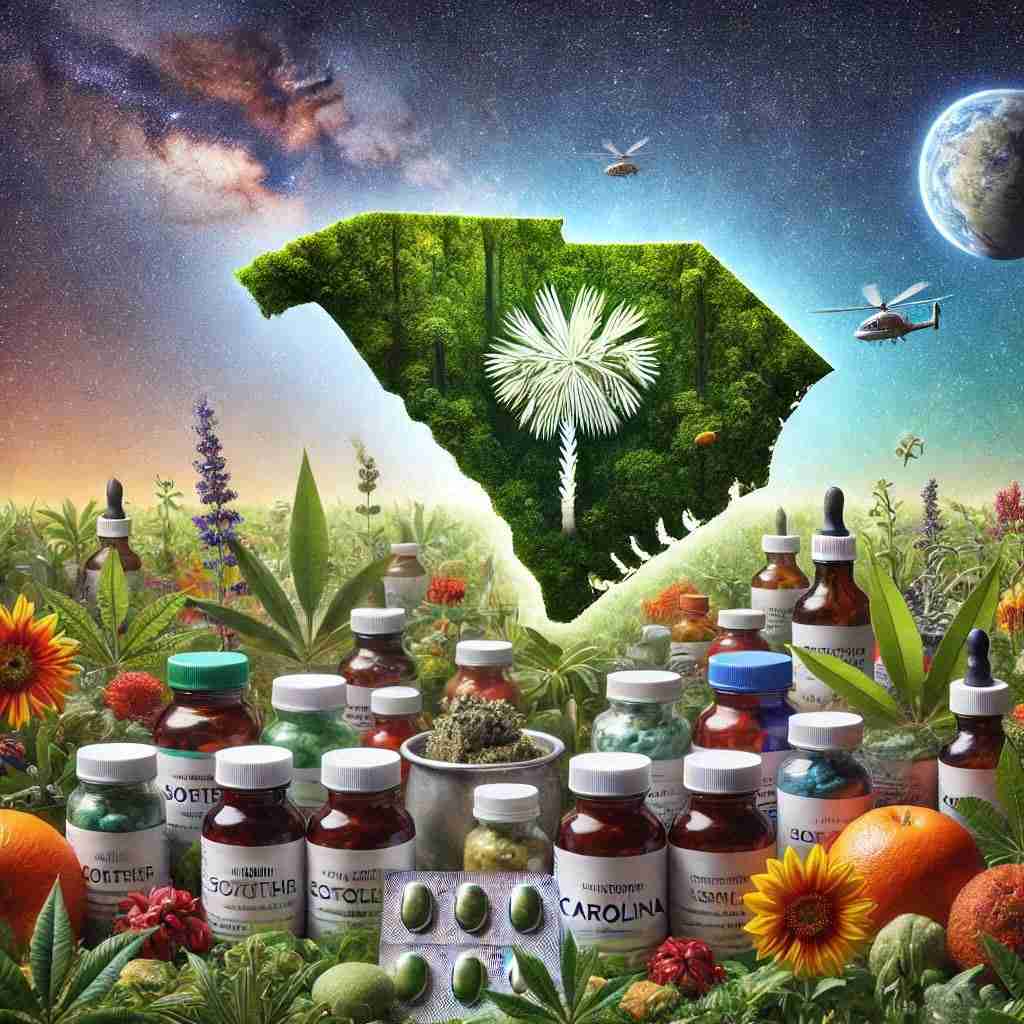
The Current Status of Marijuana in SC
- Medical marijuana: South Carolina has a limited medical marijuana program, allowing for the use of CBD oil with a doctor’s prescription. However, full legalization for medical purposes has not yet been implemented.
- Decriminalization: Possession of small amounts of marijuana is still considered a criminal offense in South Carolina. While some localities have passed ordinances reducing penalties for possession, there is no statewide decriminalization law in place.
- Recreational use: Recreational use of marijuana remains illegal in South Carolina, with possession punishable by fines and potential jail time. There have been discussions within the state about potentially legalizing recreational use, but as of now, no concrete steps have been taken towards this goal.
The Potential Economic Impact of Legalizing Recreational Weed in SC
- Legalizing recreational weed in South Carolina has the potential to significantly boost the state’s economy.
- Tax revenues from sales of cannabis products could generate substantial income for the state, leading to increased funding for public services like education and healthcare.
- Additionally, legalizing recreational weed would create new job opportunities in various sectors such as cultivation, retail, and distribution.
In states where recreational weed is already legal, we have seen a positive impact on tourism as well. Visitors are drawn to locations where they can freely purchase cannabis products. This influx of tourists not only benefits local businesses but also stimulates economic growth within the community. Overall, legalizing recreational weed in SC could bring about numerous economic benefits that would contribute to the state’s prosperity and well-being.
The Social Benefits of Embracing Recreational Weed in SC
- 1. Stronger Communities: Embracing recreational weed in South Carolina has the potential to strengthen communities by creating a more inclusive environment. Legalization can foster dialogue and understanding among people from diverse backgrounds who share an interest in cannabis.
- 2. Safer Consumption Practices: With legalized recreational weed, consumers have access to regulated products that adhere to safety standards. This reduces the risks associated with buying unregulated substances on the black market, leading to better public health outcomes.
- 3. Economic Growth: Legalizing marijuana for recreational use can boost South Carolina’s economy through job creation, increased tax revenue, and new business opportunities within the industry. These economic benefits can positively impact society as a whole by providing resources for social programs and infrastructure development.`
Comparing Recreational Weed in SC with Other States
Approach to Recreational Weed in SC vs Other States
- Regulation: South Carolina’s proposed legislation for recreational weed leans towards stricter regulations compared to other states like Colorado or California where it is already legal.
- Taxation: The tax structure in South Carolina could be more moderate in comparison to states such as Washington, which imposes hefty taxes on recreational marijuana.
- Access: South Carolina may restrict access by limiting the number of dispensaries, unlike Oregon where there are a high number of retail locations per capita.
In conclusion, while South Carolina is moving towards legalization of recreational marijuana, it may take a more cautious and conservative approach compared to other states that have already legalized it.
Addressing Concerns and Opposition to Legalization
- Public Health: Critics argue that legalizing recreational weed may lead to an increase in substance abuse, especially among young people. However, studies have shown that in states where marijuana is legal, there has not been a significant spike in cannabis use among teens.
- Traffic Safety: Another common concern is the potential impact on road safety due to driving under the influence of marijuana. While this is a valid worry, data from other legalized states suggests that traffic fatalities have not substantially increased after legalization.
- Gateway Drug Theory: Some opponents believe that marijuana serves as a gateway drug, leading users to experiment with more dangerous substances. However, research shows no conclusive evidence supporting this theory; instead, many individuals use cannabis exclusively without progressing to harder drugs.
In addressing these concerns through education and implementing strict regulations around access and usage of recreational weed, South Carolina can pave the way for responsible legalization while mitigating potential risks associated with it.
The Role of Medical Marijuana in Shaping Recreational Weed in SC
- Medical Use Influence:
- The legalization of medical marijuana has been a pivotal factor in shaping the conversation around recreational weed in South Carolina.
- Patients who benefit from medical cannabis have advocated for broader access to marijuana, leading to increased public acceptance.
- Regulatory Framework:
- States that have legalized medical marijuana often lay the groundwork for future recreational use by establishing regulatory frameworks and infrastructure.
- South Carolina could potentially leverage its existing medical cannabis program as a stepping stone towards broader legalization.
- Public Opinion Shift:
- As more people experience the benefits of medical marijuana firsthand, attitudes towards recreational weed are evolving.
- Positive outcomes from medical use can sway public opinion and influence lawmakers to consider legalizing recreational cannabis.
Opportunities for Small Business Owners in the Cannabis Industry
- Dispensaries: One of the most lucrative opportunities for small business owners in the cannabis industry is opening a dispensary. Dispensaries not only sell marijuana products, but they also provide education and support to customers. This can be a great way to establish connections in the community and build a loyal customer base.
- Cultivation: Another exciting opportunity is cultivation. Growing marijuana plants requires knowledge and expertise, but it can be incredibly rewarding both financially and personally. By cultivating your own cannabis plants, you have more control over the quality of your product and can cater to specific market demands.
- Ancillary Services: Lastly, there are numerous ancillary services that support the cannabis industry, such as packaging companies, marketing agencies, testing laboratories, and more. These types of businesses may not involve directly handling marijuana products but still play a crucial role in supporting the industry’s growth. Partnering with dispensaries or cultivators as an ancillary service provider can be a profitable avenue for small business owners looking to enter this booming market.
The Impact on Law Enforcement and Criminal Justice System
Impact on Law Enforcement
- The legalization of recreational weed in South Carolina would result in a significant shift in law enforcement priorities.
- Officers would need to be retrained to focus on other areas as resources are redirected away from marijuana-related offenses.
- This change could lead to a decrease in cannabis-related arrests, reducing the burden on the criminal justice system.
Criminal Justice System Effects
- With fewer marijuana-related cases clogging up the courts, there could be more time and resources available for addressing other crimes.
- The reduced caseload may also alleviate some of the overcrowding issues within the prison system.
- Overall, legalizing recreational weed in South Carolina has the potential to bring about positive changes in both law enforcement and the criminal justice system.
Taxation and Regulation of Recreational Weed in SC
- South Carolina is contemplating the taxation and regulation of recreational weed to ensure a structured approach.
- The state aims to implement strict guidelines for cultivation, distribution, and sale of marijuana products.
- Taxes on recreational weed sales will likely contribute significantly to the state’s revenue.
Key Points:
- Tax Revenue: The taxation of recreational weed in SC can generate substantial income for South Carolina.
- Regulation: Stringent regulations are necessary to control the production and distribution of marijuana products.
- Compliance: Businesses must adhere to state laws and guidelines to operate legally within the industry.
- Public Health Concerns: Regulations will address health concerns related to marijuana consumption, such as potency limits and packaging requirements.
In conclusion, South Carolina is pursuing a cautious yet calculated approach towards legalizing recreational weed by focusing on effective taxation and regulation strategies for the benefit of both consumers and the state economy.
Potential Health Benefits of Recreational Weed in SC
- Pain Management: Marijuana has been shown to be effective in alleviating chronic pain, offering a natural alternative to potentially addictive prescription medications. This could benefit individuals suffering from conditions such as arthritis or fibromyalgia.
- Mental Health: Some studies suggest that marijuana may help with managing symptoms of anxiety and depression. Legalization could make it easier for those struggling with mental health issues to access this potential treatment option.
- Medical Research: With legalization comes the opportunity for more extensive research into the medicinal properties of marijuana. This could lead to advancements in treatment options and a better understanding of how cannabis can positively impact health outcomes.
The Influence of Big Pharma and Corporations on Legalization Efforts
- Big Pharma companies with vested interests in traditional medications have lobbied against recreational weed legalization, fearing competition for their pharmaceutical products.
- Corporations with ties to the alcohol and tobacco industries also exert influence over legalization efforts, as they view cannabis as a potential threat to their market share.
- These powerful entities often fund anti-legalization campaigns and lobby politicians to maintain the status quo.
As a result:
- Progress towards legalizing recreational weed in SC has been slow due to the significant opposition from these influential organizations.
- Their financial resources and political connections have hindered efforts to pass legislation that would benefit consumers seeking alternative forms of relief beyond conventional medications.
- To navigate this challenging landscape, advocates for legalization must continue educating the public about the benefits of cannabis while also addressing concerns raised by these corporate entities.
Environmental Considerations of Growing Marijuana in SC
- Water Usage: Marijuana plants require a significant amount of water to grow, leading to potential strain on local water resources, especially in areas prone to droughts. Proper irrigation techniques should be employed to minimize wastage and ensure sustainable cultivation practices.
- Pesticide Use: The use of pesticides on marijuana crops can have harmful effects on the environment and surrounding ecosystems. Organic farming methods should be prioritized to reduce the risk of pesticide contamination in soil and water sources.
- Energy Consumption: Indoor marijuana cultivation often relies heavily on artificial lighting, ventilation systems, and heating/cooling equipment, contributing to high energy consumption levels. Implementing energy-efficient technologies can help mitigate the environmental impact of growing operations.
Social Equity and Inclusion in the Cannabis Industry
- Social equity programs can address past injustices in drug enforcement policies by giving opportunities to communities disproportionately affected.
- These initiatives may include expunging nonviolent cannabis offenses, providing financial support, and ensuring diverse representation within the industry.
- Creating pathways for marginalized groups such as minorities and individuals with prior convictions is crucial for a fair and inclusive cannabis market.
Inclusion efforts are vital in creating a diverse industry that benefits all members of society. By prioritizing social equity, South Carolina can pave the way for a more just cannabis space where everyone has an equal chance at success. This not only promotes economic growth but also addresses historical disparities stemming from marijuana prohibition laws.
Furthermore, fostering a sense of belonging among all stakeholders – from consumers to business owners – will foster community trust and support long-term sustainability. Through deliberate actions towards social equity and inclusion, South Carolina’s future recreational weed industry holds the promise of becoming a model for other states aiming to rectify past injustices while embracing diversity.
The Role of Education and Awareness in Promoting Responsible Use
Education plays a crucial role in promoting responsible use of recreational weed. By providing accurate information about the effects, risks, and legal implications of cannabis consumption, individuals can make informed decisions about their usage. This knowledge empowers users to consume marijuana responsibly and understand the importance of moderation.
Increased awareness campaigns are essential in changing societal perceptions about recreational weed. Dispelling myths and misconceptions through educational initiatives can help reduce stigma surrounding cannabis use. By fostering open conversations and encouraging dialogue, we can create a more informed community that prioritizes safe and responsible consumption practices. Ultimately, education and awareness efforts are key components in shaping a future where recreational weed is used responsibly across South Carolina.
Lessons Learned from Other States’ Experiences with Legalization
- Regulation is Key: Many states that have legalized recreational weed have learned the importance of strict regulations to ensure safe consumption and prevent abuse. From labeling requirements to potency limits, effective regulation is crucial in overseeing the legal cannabis market.
- Taxation Matters: States like Colorado and California have found that setting reasonable tax rates on cannabis products can help generate substantial revenue for public services. Finding the balance between affordability for consumers and profitability for the state is essential in creating a successful marijuana industry.
- Education is Essential: With legalization comes the need for comprehensive education campaigns about responsible use, potential health risks, and understanding of laws surrounding recreational weed. Educating both consumers and law enforcement personnel can lead to better outcomes and reduced negative impacts on society as a whole.
Looking Ahead: Predictions for the Future of Recreational Weed in SC
Predictions for the Future of Recreational Weed in SC
- Increased Tax Revenue: With the potential legalization of recreational weed in South Carolina, one prediction for the future is a significant increase in tax revenue for the state. This additional income could benefit various public services and initiatives, from education to healthcare.
- Economic Growth: Another likely outcome is the stimulation of economic growth through job creation and increased business opportunities within the cannabis industry. This could lead to a boost in employment rates and entrepreneurship throughout South Carolina.
- Regulatory Challenges: However, along with these positive predictions, there may also be regulatory challenges that come with legalizing recreational weed. State officials will need to carefully navigate issues such as taxation, distribution, marketing restrictions, and ensuring responsible consumption to effectively regulate this new industry.