Hydro vs Soil Cultivation: Analyzing the Pros and Cons for Optimal Plant Growth
December 8th, 2023

Table of Contents
Hydro vs Soil Cultivation: Analyzing the Pros and Cons for Optimal Plant Growth When it comes to growing plants, traditional soil cultivation has been the go-to method for centuries. However, with recent advancements in agricultural technology, hydroponics – a soil-less cultivation technique – is gaining traction as a promising alternative. But which approach is truly superior? In this article, we will delve deep into the world of plant growth and explore the pros and cons of both hydroponics and soil cultivation methods. By comprehensively analyzing factors such as nutrient absorption, water efficiency, disease control, and environmental impact, we aim to guide you towards making an informed decision about which method best suits your desire for optimal plant growth.
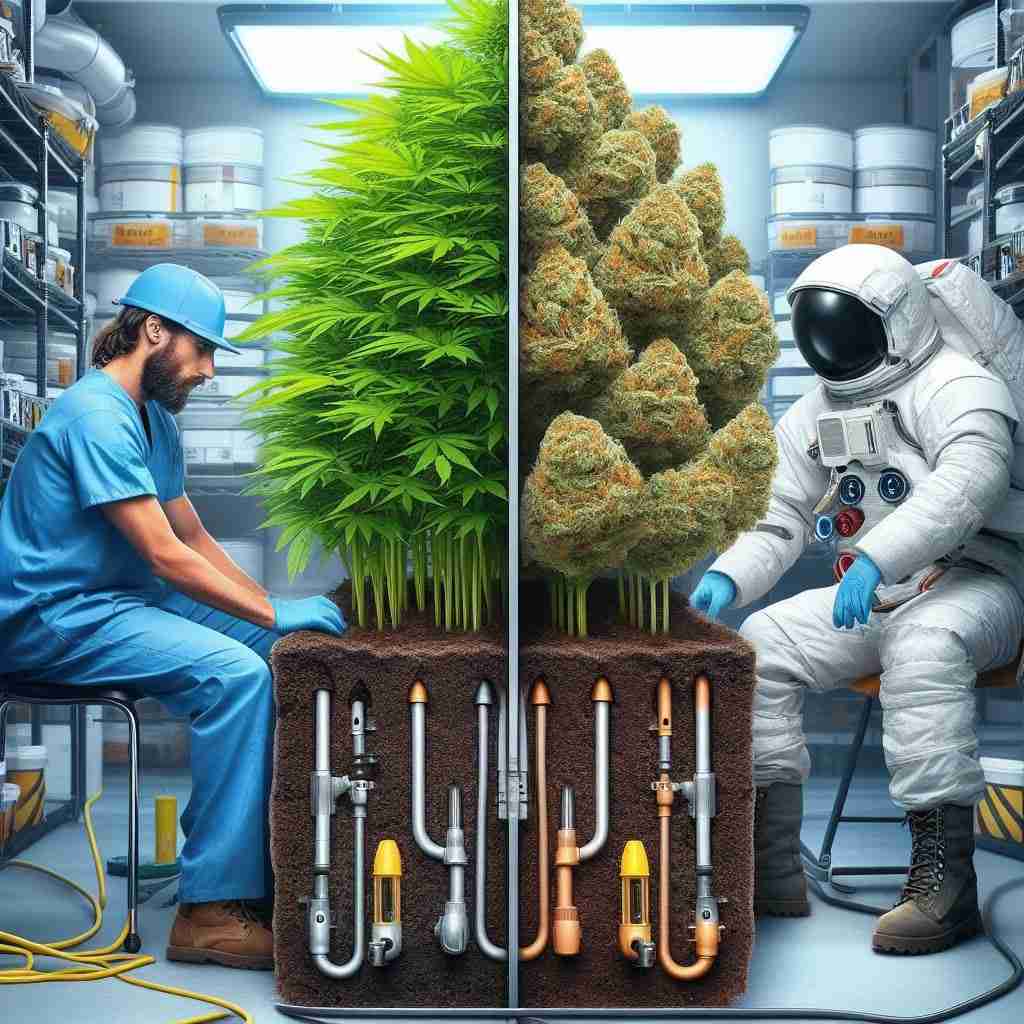
Nutrient Absorption: Comparing Efficiency in Hydro vs Soil Cultivation
Hydroponics system, due to its controlled environment, allows for efficient nutrient absorption by plants. In hydroponics, nutrients are provided directly to the roots through a nutrient-rich solution that is continuously monitored and adjusted. This enables optimal nutrient levels and balance for the plants’ growth.
On the other hand, soil cultivation relies on the organic matter present in the soil to provide nutrients to plants. The efficiency of nutrient absorption in soil cultivation can vary depending on factors such as soil composition, pH levels, and microbial activity. While certain nutrients may be readily available in the soil, others may be less accessible or prone to leaching.
In summary:
- Hydroponics offers precise control over nutrient delivery.
- Soil cultivation’s efficiency depends on various factors within the natural environment.
- Both methods have their advantages when it comes to providing essential nutrients for plant growth.
Water Management: Examining the Pros and Cons of Hydro vs Soil Cultivation
Hydroponics: Pros and Cons
Hydroponics is a soilless method of cultivation that offers several benefits. Firstly, it allows for optimal water usage as the plants are grown in a controlled environment where water is delivered directly to the roots. This reduces wastage and ensures efficient nutrient absorption. Additionally, hydroponic systems can be set up in small spaces, making them ideal for urban environments with limited access to land.
However, hydroponic systems also have their drawbacks. They require significant upfront investment and ongoing maintenance costs, including the purchase of specialized equipment and nutrient solutions. Furthermore, any malfunction or interruption in the system’s functioning can quickly lead to plant death if not detected promptly. Some critics also argue that hydroponically grown produce lacks the flavor and nutritional value found in traditionally cultivated crops due to differences in mineral uptake.
Soil Cultivation: Pros and Cons
Soil cultivation has been practiced for centuries and still remains a popular choice among farmers worldwide. One of its notable advantages is the presence of naturally occurring microorganisms in the soil that contribute to healthy plant growth by breaking down organic matter into essential nutrients. It also allows for more diverse cropping options as different plants thrive under specific soil conditions.
On the downside, conventional soil cultivation requires more water compared to hydroponics due to evaporation from exposed surfaces and inefficient absorption by plants’ root systems. It also demands larger areas of arable land which may be scarce or costly in some regions. Another concern is the increased risk of pests and diseases that thrive in traditional farming environments, requiring extensive pesticide use which can harm both human health and ecosystems.
In conclusion, while both hydroponics and soil cultivation have their respective advantages and disadvantages, assessing factors such as available resources, space limitations, desired crop variety, sustainability goals, cost-effectiveness should guide decision-making when determining which method suits optimal plant growth requirements best.

Pest and Disease Control: Evaluating the Effectiveness of Hydroponics and Soil Cultivation Methods
Evaluating the effectiveness of hydro vs soil cultivation methods for pest and disease control
When it comes to managing pests and diseases, both hydroponics and soil cultivation methods have their pros and cons. Here’s a breakdown:
- Hydroponics:
- Pro: With hydroponic systems, the risk of pests invading plants is significantly reduced since there is no soil medium for insects or fungi to thrive in.
- Con: However, if any pests do manage to infiltrate the system, they can spread rapidly through the circulating nutrient solution.
- Soil Cultivation:
- Pro: Soil provides a natural defense against certain types of pests as its organisms compete with harmful insects or pathogens for resources.
- Con: On the other hand, soil can also harbor various diseases that affect plant health. Once infected, these diseases may be difficult to control without resorting to chemical pesticides.
Ultimately, your choice between hydroponics and soil cultivation will depend on your specific needs regarding pest management. While hydroponics offers an initial advantage by minimizing potential infestations due to its lack of a suitable habitat for bugs or fungus growth, it requires vigilant monitoring because once present in the system they can proliferate rapidly. Soil cultivation has natural defenses but must be managed carefully using proven pest-control practices when needed.
Environmental Impact: Analyzing the Sustainability of Hydro vs Soil Cultivation
Hydroponics, a soil-less cultivation method, has gained attention for its potential positive environmental impact. By eliminating the need for soil, hydroponic systems utilize water and nutrients more efficiently. This results in decreased water usage compared to traditional soil cultivation. Additionally, hydroponic systems can be set up indoors, leading to reduced land use and potentially preventing deforestation.
However, it is important to consider the energy consumption associated with indoor hydroponics. The use of artificial lighting and climate control systems can contribute significantly to carbon emissions.
In contrast, traditional soil cultivation relies on natural processes and resources like sunlight and rainwater. The decentralized nature of this method allows plants to obtain nutrients from the soil’s organic matter without human intervention. Soil also acts as a carbon sink by sequestering atmospheric carbon dioxide through plant photosynthesis.
Nevertheless, conventional agriculture practices often lead to erosion and depletion of topsoil due to improper tillage techniques or overuse of synthetic inputs such as pesticides and fertilizers. These practices can cause negative impacts on biodiversity as well as water pollution from runoff containing harmful substances.
Space and Resource Utilization: Comparing the Efficiency of Hydro vs Soil Cultivation Systems
Space and Resource Utilization: Comparing Efficiency of Hydro vs Soil
Hydroponics systems have a significant advantage over soil cultivation when it comes to space utilization. As hydroponic plants receive their nutrients directly from water, they do not require large amounts of soil. This means that hydroponic systems can be set up in compact spaces such as urban gardens or even indoor environments like warehouses or basements.
In addition to saving space, hydroponics also utilize resources more efficiently compared to traditional soil cultivation. With hydroponics, water is recirculated within the system, minimizing waste. In contrast, soil-based farming requires larger amounts of water because the nutrients tend to leach away from the root zone. Hydroponics systems also use significantly less fertilizers and pesticides since the controlled environment minimizes exposure to pests and diseases. This makes hydroponics a more sustainable choice for plant growth while conserving precious resources.
Environmental Impact and Sustainability
In terms of environmental impact, hydroponic systems produce fewer greenhouse gas emissions compared to soil cultivation methods due to their efficient resource utilization and reduced need for transportation. By eliminating the use of soil completely, hydroponic agriculture also helps prevent erosion and protects natural habitats.
Moreover, considering sustainability aspects, hydroponic systems offer year-round production without being constrained by seasonal limitations or weather conditions as in traditional farming methods that rely on fertile soils outdoors. This enables farmers using this technology to maintain a consistent supply chain regardless of external circumstances.
Water Efficiency and Food Security
Hydroponic systems are highly water-efficient as the nutrient-rich water used can be recycled multiple times within the system before needing replenishment. This is especially beneficial in regions facing water scarcity issues where every drop counts.
Furthermore, these efficient cropping techniques contribute towards improving food security globally by increasing crop yield per unit area throughout all stages of plant development. The controlled environment facilitates optimal growing conditions which result in faster growth rates and healthier plants. As a result, hydroponic systems have the potential to significantly increase food production and help meet the growing demand for sustainable agricultural practices worldwide.
Plant Growth and Yield: Assessing the Productivity of Hydro vs Soil Cultivation Methods
Hydroponics is a soilless cultivation method that involves growing plants in nutrient-rich water. This technique offers several advantages for plant growth and yield. Firstly, it allows for precise control over nutrient levels, ensuring that plants receive the exact amount they need to thrive. Secondly, hydroponics eliminates the risk of soil-borne diseases and pests, reducing the need for chemical pesticides.
On the other hand, traditional soil cultivation methods also have their own set of benefits. Soil provides essential nutrients naturally, reducing reliance on artificial fertilizers. Additionally, certain crops may prefer specific soil conditions or benefit from symbiotic relationships with microorganisms present in natural soils.
Ultimately, choosing between hydroponics and soil cultivation relies on various factors such as crop type and environmental conditions. A thorough analysis should consider both options’ pros and cons to determine which method would optimize plant growth while minimizing resource consumption.
Cost Analysis: Examining the Financial Implications of Hydro vs Soil Cultivation
Hydroponics systems generally require a higher initial investment compared to traditional soil cultivation. The installation of specialized equipment, such as pumps, grow lights, and nutrient reservoirs can be costly. Additionally, ongoing expenses include electricity for running the system and purchasing specific nutrients for plant growth.
However, hydroponic systems have certain advantages that can lead to cost savings over time. For instance, they allow for more efficient water usage since the excess water is recirculated within the system rather than being lost through drainage in soil cultivation. This can result in reduced overall water consumption and lower utility bills.
Another potential cost-saving aspect of hydroponics is faster growth rates due to optimal nutrient delivery and environmental control. This allows farmers to cultivate crops more quickly and achieve higher yields per unit area compared to soil agriculture methods.
In summary, while hydroponics may entail a larger upfront investment, their long-term benefits like increased water efficiency and enhanced crop yield hold promising financial implications for growers willing to embrace this innovative farming technique.
Adaptability and Versatility: Exploring the Flexibility of Hydro vs Soil Cultivation Techniques
Hydroponics offers a level of adaptability that soil cultivation cannot match. With hydroponics, you have the ability to control and adjust various factors such as nutrient levels, pH balance, and temperature with precision. This allows for optimal plant growth in any environment, whether it’s a small urban apartment or a large commercial greenhouse.
In contrast, soil cultivation relies heavily on the quality of the existing soil. It can be challenging to find suitable land for cultivating certain plants, especially in urban areas where space is limited. However, by utilizing hydroponic systems that require only water and nutrients without soil, plants can thrive in even the most unlikely places.
Furthermore, hydroponics allows for greater versatility in crop selection. Different crops have specific nutritional needs and growing conditions that may not be readily available in traditional soil setups. With hydroponics, you can easily customize nutrient formulas to match each crop’s requirements and achieve higher yields with fewer resources.
Overall, hydroponics offers growers unparalleled flexibility – from controlling growing conditions to expanding crop options – making it an attractive choice for optimizing plant growth regardless of location or environmental limitations.
Nutritional Value: Comparing the Quality and Composition of Plants Grown in Hydro vs Soil Cultivation
When it comes to the nutritional value of plants, hydro vs soil cultivation have distinct differences.
- Nutrient Absorption: In hydroponics, plants receive a perfectly balanced nutrient solution directly to their roots, ensuring optimal uptake of essential minerals. This targeted approach allows for precise control over plant nutrition, leading to potentially higher nutrient content in hydroponically grown plants compared to those grown in soil.
- Soil Composition: Soil cultivation relies on the natural composition of the soil for plant growth. While this can provide beneficial nutrients from organic matter or microbial activity, there may also be limitations due to poor soil quality or depletion of essential nutrients over time.
- Antioxidant Levels: Studies have shown that certain antioxidants responsible for health benefits are more abundant in hydroponically grown produce. The controlled environment eliminates exposure to pesticides and enhances antioxidant production, resulting in potentially healthier food options.
Overall, while both methods have their merits, hydroponic systems offer greater control over nutrient absorption and can result in higher nutritional value compared to traditional soil cultivation techniques.
Maintenance and Labor: Evaluating the Effort Required in Hydro vs Soil Cultivation Systems
Evaluating the Effort Required in Hydro vs Soil Cultivation Systems
When it comes to maintenance and labor, hydroponic systems require less effort compared to soil cultivation. Here are a few reasons why:
- Watering: In traditional soil cultivation, plants need to be watered regularly. This can involve carrying heavy watering cans or setting up irrigation systems. However, in hydroponics, water is continuously circulated through the system, eliminating the need for manual watering.
- Weeding: Weeds are a common problem in traditional gardening methods. Removing weeds can be time-consuming and physically demanding. With hydroponics, there is no soil for weeds to grow in, so weed control becomes much easier.
- Pest Control: Pests and diseases often thrive in soil-based environments. Treating these issues can require pesticides or other chemicals that may harm both plants and humans. In hydroponic systems, pests have fewer opportunities to infest crops since there is no direct contact with soil.
Hydroponic systems also reduce the amount of physical labor required for tasks such as tilling the ground or maintaining compost piles necessary for nutrient-rich soils. Overall, by minimizing maintenance requirements and reducing labor-intensive tasks like weeding and pest control manifolds over conventional farming techniques; Hydrophonic systems allow farmers having larger yielding potential thus resulting better plant growth outcomes via boosting efficiency efforts.
Taste and Nutritional Value: Assessing the Quality and Nutritional Content of Hydro vs Soil Grown Plants
Hydroponically grown plants often boast a more consistent flavor profile compared to their soil-grown counterparts. The controlled environment in hydroponics allows for precise regulation of essential nutrients, resulting in optimal growth and taste. Additionally, these crops tend to have fewer external contaminants such as pesticides or heavy metals, further enhancing the overall quality.
However, when it comes to nutritional content, there is ongoing debate between hydroponic and soil cultivation methods. While hydroponics can produce nutrient-rich plants due to tailored nutrient solutions, some argue that traditional soil-grown plants contain a broader array of micronutrients essential for human health. This discrepancy arises from complex interactions that occur within the natural ecosystem present in soils which facilitate an abundance of diverse microorganisms promoting plant health.
In conclusion, while hydroponically grown plants offer consistent flavors and reduced exposure to external contaminants, traditional soil cultivation may still provide a higher variety of micronutrients critical for optimal nutrition.
Conclusion: Weighing the Pros and Cons for Optimal Plant Growth in Hydroponics vs Soil Cultivation
Conclusion
In summary, both hydroponics and soil cultivation have their own set of advantages and disadvantages for optimal plant growth.
Pros of Hydroponics:
- Hydroponics allows for precise control over nutrient levels, pH balance, and water delivery, ensuring plants receive exactly what they need to thrive.
- The absence of soil eliminates the risk of pests and diseases that commonly affect traditional farming methods.
- Plants grown in hydroponic systems often experience faster growth rates and higher yields due to the optimized growing conditions.
Cons of Hydroponics:
- Implementing a hydroponic system can be expensive initially, requiring investments in equipment such as grow lights, pumps, and nutrient solutions.
- Maintenance tasks such as monitoring nutrient levels require consistent attention to avoid imbalances or deficiencies.
- While hydroponics is efficient in conserving water compared to conventional irrigation methods, power outages or equipment failures can interrupt the supply.
Pros of Soil Cultivation:
- Soil offers a naturally diverse ecosystem with beneficial microorganisms that promote healthy plant growth without chemical additives.
- Traditional gardening provides a familiar method rooted in centuries-old practices accessible on all scales from backyard gardens to large farms.
- Financially speaking, starting a garden using soil requires less upfront investment than setting up a complete hydroponic system.
Overall, deciding between hydroponics or soil cultivation depends on factors like available resources, environmental considerations (e. g., space availability), desired crop type(s), timeline for yield, and personal preferences. Both cultivation methods have proven successful across various scenarios; however; it’s essential always to adapt techniques based on individual needs while prioritizing sustainable and responsible agriculture practices. Read our latest blog post!