
The Intersection of Cannabis and Mental Health: Exploring the Potential Benefits and Risks
December 15th, 2023
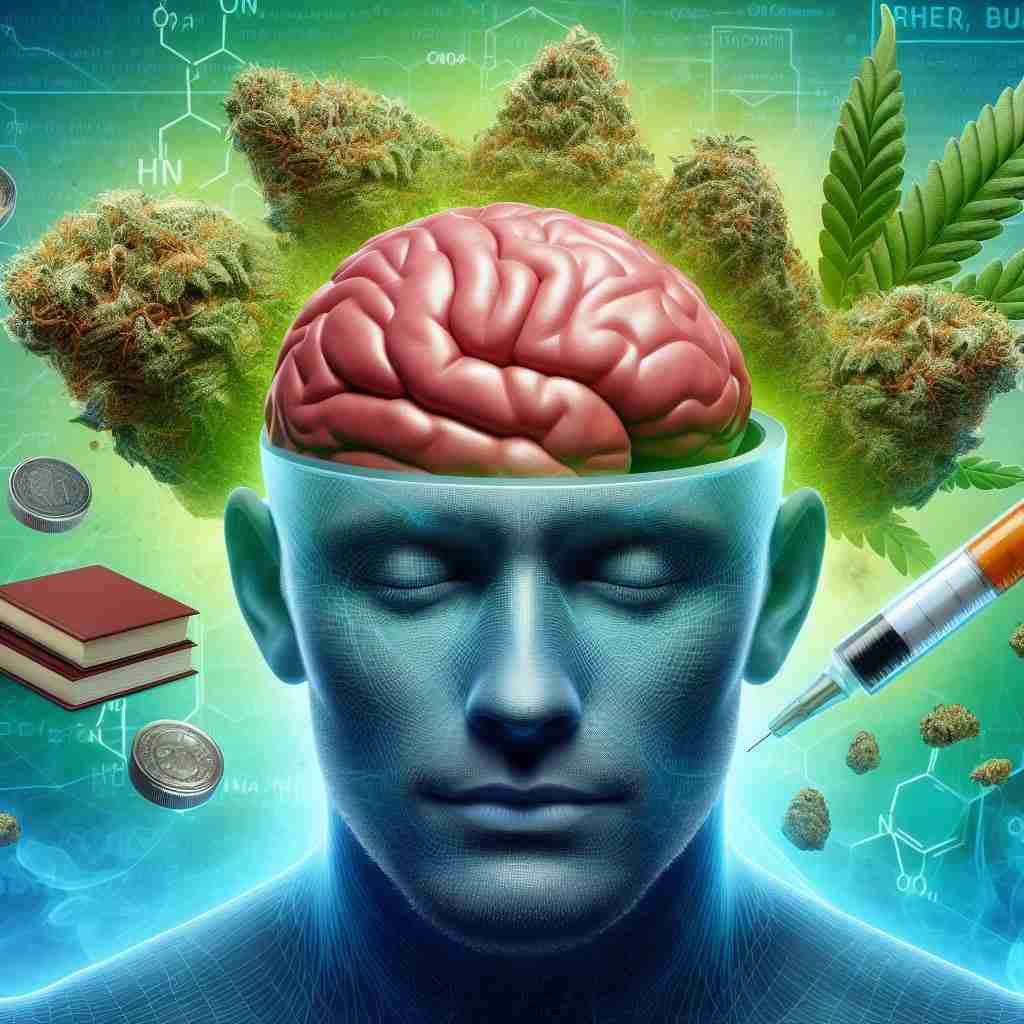
Table of Contents
The recent surge in interest surrounding cannabis and mental health has prompted extensive discussions about its potential therapeutic benefits for various health conditions. As researchers delve deeper into the complex relationship between cannabis and mental well-being, it becomes crucial to explore both the potential benefits and risks associated with its use. This article aims to shed light on this intersection by examining the latest scientific findings, discussing how cannabis products may impact mental health disorders such as anxiety and depression, as well as addressing concerns about potential drawbacks or adverse effects. By delving into this ever-evolving topic, we strive to provide a comprehensive overview of the current knowledge regarding cannabis’s role in supporting or compromising mental wellness.

The Science Behind Cannabis and Mental Health: Exploring the Mechanisms
Cannabis interacts with various systems in the brain, including the endocannabinoid system (ECS), which plays a crucial role in regulating mood, emotions, and cognition. THC, one of the main psychoactive compounds in cannabis, binds to cannabinoid receptors found throughout the ECS, leading to alterations in neurotransmitter release. This can result in temporary changes in perception, memory, and mood.
CBD, another compound found in cannabis, has been studied for its potential therapeutic effects on mental health disorders such as anxiety and depression. It is believed that CBD modulates serotonin receptors in the brain, increasing levels of this neurotransmitter associated with feelings of well-being and happiness.
However, it’s important to note that while cannabis may have some beneficial effects on certain mental health conditions, there are also risks involved. Studies have shown that heavy or prolonged cannabis use can increase the risk of developing psychotic disorders such as schizophrenia. Additionally, individuals with a predisposition to these conditions may be more susceptible to negative mental health outcomes from using cannabis.
In conclusion,
- Cannabis interacts with the endocannabinoid system (ECS) in the brain.
- THC alters neurotransmitter release leading to temporary changes in perception and mood.
- CBD may have therapeutic effects on anxiety and depression by modulating serotonin receptors.
- Heavy or prolonged cannabis use increases the risk of developing psychotic disorders like schizophrenia.
- Individuals with a predisposition to these conditions are more vulnerable to negative mental health outcomes from using cannabis.

The History of Cannabis and Mental Health Treatments
Historical Use of Cannabis and Mental Health Treatment
- Cannabis has a long history of use in mental health treatment, dating back thousands of years.
- Ancient civilizations, such as the Egyptians, Greeks, and Chinese, relied on cannabis for its potential therapeutic properties in treating various mental health disorders.
- In the 19th century, cannabis-based medications were commonly recommended for managing symptoms of conditions like depression and anxiety.
- However, as scientific understanding advanced and new treatments emerged, cannabis fell out of favor and became stigmatized due to legal restrictions.
Rediscovery in Modern Times
- The rediscovery of cannabis as a potential tool for mental health management gained traction during the late 20th century.
- Researchers began investigating cannabinoids’ impact on mood disorders like depression and post-traumatic stress disorder (PTSD).
- Preliminary studies suggest that certain cannabinoids found in cannabis may possess antidepressant-like effects or help alleviate symptoms associated with PTSD.
- Yet much more research is needed to fully understand how different strains and components of cannabis interact with the brain to influence mental health.
Cannabis and Anxiety: Unraveling the Connection
Cannabis has long been associated with anxiety relief, but the relationship between the two is complex. While some people find that cannabis can help alleviate their anxiety symptoms, others may experience increased anxiety or even panic attacks after using it.
- Potential Benefits: Studies have shown that certain cannabinoids found in cannabis, such as CBD (cannabidiol), may have anxiolytic properties and could potentially reduce symptoms of anxiety disorders. CBD has been found to interact with serotonin receptors in the brain, which are involved in regulating mood and anxiety levels. Additionally, THC (tetrahydrocannabinol), another compound found in cannabis, might also provide temporary relief from anxiety for some individuals.
- Risks and Caveats: It’s essential to note that while cannabis may offer potential benefits for those with anxiety disorders, it is not a one-size-fits-all solution. The effects of cannabis on mental health vary greatly depending on factors like dosage, strain type (high THC vs. high CBD), individual tolerance levels, and underlying genetic predispositions towards mental health conditions. Moreover clinical research on its efficacy remains limited due to legal restrictions surrounding marijuana use.
- Speak with a Professional: If you’re considering using cannabis as a tool for managing your anxiety disorder or if you’ve had negative experiences related to its usage before promptly consult healthcare professional specializing in mental health issues who can provide expert guidance tailored specifically to your condition
The Potential Role of Cannabis in Treating Depression
Cannabis has been gaining attention as a potential treatment for depression due to its unique chemical compounds.
- One compound, cannabidiol (CBD), shows promise in alleviating symptoms of depression by interacting with serotonin receptors in the brain. CBD may help regulate mood and reduce anxiety levels.
- Another compound, tetrahydrocannabinol (THC), is known for its psychoactive effects but may also have antidepressant properties. Some studies suggest that THC can stimulate the release of dopamine, a neurotransmitter associated with happiness and reward.
While research on cannabis and depression is still limited, initial findings indicate that it could be a valuable adjunct therapy. However, it’s crucial to note that cannabis should not replace traditional treatments such as therapy or medication. Further investigation is needed to determine optimal dosages, long-term effects, and potential risks before incorporating cannabis into depression treatment plans.
Overall, while there is promising evidence suggesting that cannabis could play a role in treating depression symptoms, more thorough research is required to fully understand its benefits and risks.
Cannabis as a Potential Treatment for PTSD: Examining the Evidence
Numerous studies have suggested that cannabis may hold potential as a treatment option for individuals suffering from post-traumatic stress disorder (PTSD). One study conducted in 2014 found that individuals with PTSD experienced reduced symptom severity and improved sleep quality after using cannabis. Additionally, another study published in 2019 showed promising results, indicating that marijuana use was associated with decreased levels of anxiety, depression, and insomnia among PTSD patients.
While these findings are encouraging, it is important to note the limitations of the existing research on this topic. The majority of studies examining the effects of cannabis on PTSD have relied on self-report measures rather than objective clinical assessments. Furthermore, not all individuals with PTSD respond positively to cannabis treatment; some may experience heightened anxiety or paranoia instead.
Despite this uncertainty surrounding its effectiveness and potential risks, some states in the United States have legalized medical marijuana specifically for treating PTSD symptoms. However, more rigorous research is needed to fully understand how cannabis can be utilized as a safe and effective treatment option for those struggling with post-traumatic stress disorder.
Exploring the Impact of Cannabis on Bipolar Disorder
Research into the impact of cannabis on bipolar disorder is limited and inconclusive. While some studies suggest that cannabis may help manage symptoms, others highlight potential risks for individuals with bipolar disorder.
Potential Benefits:
- Mood stabilizing properties: Certain components in cannabis, such as CBD (cannabidiol), have been found to possess mood-stabilizing properties which could potentially benefit individuals with bipolar disorder.
- Anxiety and insomnia relief: Cannabis may offer temporary relief from anxiety and sleep disturbances associated with bipolar disorder when used in controlled amounts under medical supervision.
Potential Risks:
- Mania induction: Some research has linked cannabis use to an increased risk of manic episodes or accelerated cycling in individuals already diagnosed with bipolar disorder.
- Medication interactions: Cannabis might interact negatively with certain medications commonly prescribed for managing bipolar symptoms like lithium or antipsychotics.
It’s important for individuals living with bipolar disorder to consult their healthcare professionals before considering any form of cannabis-based treatment due to the lack of robust scientific evidence available currently.
Examining the Potential Benefits of Cannabis for Insomnia and Sleep Disorders
Insomnia, a common sleep disorder characterized by difficulty falling or staying asleep, can significantly impact one’s overall well-being. Cannabis has shown potential in addressing insomnia and improving sleep quality. Studies have suggested that certain compounds in cannabis, such as THC and CBD, may have sedative effects that promote better sleep.
Research indicates that consuming cannabis strains with higher levels of CBD may be particularly useful for those struggling with insomnia. CBD has been found to reduce anxiety and increase relaxation, thereby promoting a more restful night’s sleep. Additionally, THC is believed to decrease the amount of time it takes to fall asleep while increasing deep sleep stages.
However, it is essential to note that more research is needed to fully understand how cannabis affects sleep patterns and which strains or dosages are most effective for specific individuals. Furthermore, long-term effects on overall mental health should be considered before incorporating cannabis into your treatment plan for insomnia or other sleep disorders. It is always advisable to consult with a healthcare professional experienced in cannabinoid therapies before starting any new regimen.
Cannabis and Addiction: Exploring the Link and Treatment Options
While cannabis is often seen as a recreational substance, it is important to acknowledge that addiction can be a potential risk. Research suggests that around 9% of people who use marijuana may become dependent on it. Factors such as frequency of use, age of first use, and genetic predisposition can increase this likelihood.
Treating cannabis addiction involves a multi-faceted approach. Cognitive-behavioral therapy (CBT) has shown promising results in helping individuals overcome dependency by addressing underlying thoughts and behaviors related to drug use. Motivational interviewing, another effective technique, focuses on building motivation for change through goal-setting and exploring the negative consequences of continued marijuana usage.
In cases where significant addiction or withdrawal symptoms are present, medication-assisted treatment (MAT) may be necessary. Medications such as bupropion have been used successfully to reduce cravings while assisting with mood stabilization during the recovery process. It is crucial for individuals struggling with cannabis addiction to seek professional help from qualified healthcare providers who specialize in substance abuse disorders.
The Potential Risks of Cannabis Use on Adolescent Mental Health
- Cognitive Impairment:
Adolescents who use cannabis regularly may experience cognitive impairment, including difficulties with attention, memory, and problem-solving abilities. This can negatively impact their academic performance and future prospects.
- Increased Risk of Psychosis:
Several studies have shown an association between cannabis use in adolescence and an increased risk of developing psychosis later in life. While the exact mechanism is not fully understood, it is believed that the psychoactive compound THC found in cannabis can disrupt brain development during this critical period.
- Developmental Delays:
The teenage brain undergoes significant changes during adolescence, and exposure to cannabis can interfere with this process. Regular marijuana use in teenagers has been linked to delays in emotional maturity, decision-making skills, and overall cognitive development.
- Mood Disorders:
While some individuals may turn to cannabis as a coping mechanism for stress or anxiety, regular use among adolescents has been associated with an increased risk of developing mood disorders such as depression and anxiety disorders.
- Substance Abuse:
There is evidence suggesting that early cannabis use can increase the likelihood of developing substance abuse problems later in life because it alters reward pathways in the brain.
It’s important for parents, educators, healthcare professionals, and policymakers alike to be aware of these potential risks when addressing adolescent mental health issues related to cannabis use. By understanding these risks thoroughly we are better equipped to provide appropriate guidance and support for young people navigating through these challenges.
Exploring the Impact on Cognitive Function with Cannabis and Mental Health
The Impact of Cannabis on Cognitive Function
Research suggests that cannabis can have both positive and negative effects on cognitive function. In terms of the positive impacts, some studies have found that cannabis use may improve certain aspects of cognitive function, such as creativity and divergent thinking. This may be particularly relevant for individuals engaging in creative pursuits or problem-solving tasks.
On the other hand, there is also evidence to suggest that chronic cannabis use may negatively impact cognitive function. Long-term use has been associated with deficits in attention span, memory, and executive functions. It is important to note that these effects seem to be more pronounced in heavy or frequent users, as well as those who started using at a younger age.
The Link Between Cannabis and Mental Health
While some individuals may find relief from symptoms of mental health disorders through cannabis use, research regarding its overall impact on mental health is complex and still evolving. Evidence suggests a potential correlation between regular cannabis use and an increased risk for developing mental health issues such as anxiety disorders, depression, psychosis (such as schizophrenia), and substance abuse disorders.
However, it should be noted that this relationship appears to be influenced by various factors including genetics, frequency/intensity of use, individual vulnerability, dosage/timing of consumption/contact-type/formulation/delivery system used/mode i. e smoked/vaporized/ingested/topical etc., pre-existing mental health conditions/subclinical manifestations/at-risk populations/predisposing personality traits/family history/economic deprivation/environmental stressors/exposure/binge usage/copious amount/concentration levels/quality/effectiveness/toxicity, motivations behind usage/social support/accessibility/barriers knowledge/spiritual/cultural/diverse perspectives/legal implications/stigma/regulatory frameworks/prohibited contexts/decentralized products/types/sources/marketing targeting tactics/public policies/incentives or detriments…
Given the complexity surrounding this topic,…
- More comprehensive research is needed to fully understand the potential effects of cannabis on mental health.
- It is crucial for individuals to approach cannabis use with caution, especially if they have a personal or family history of mental health issues.
- Seeking professional advice from healthcare providers or specialists in mental health before starting or discontinuing cannabis use can be beneficial.
Cannabis and Addiction: Understanding the Risks and Benefits
Cannabis can be both beneficial and risky when it comes to addiction. While some people use cannabis recreationally without developing any addictive behaviors, others may become dependent on the drug. It is important to note that not everyone who uses cannabis will develop an addiction, but there are certain factors that increase the risk.
Addiction occurs when a person becomes physically or psychologically dependent on a substance, leading to compulsive use and difficulty quitting despite negative consequences. Research suggests that around 9% of individuals who use cannabis will develop an addiction. Factors such as genetic predisposition, early age of onset, regular high potency use, mental health issues, and polydrug use contribute to higher addiction risks.
While cannabis has been shown to have potential health benefits for certain conditions like chronic pain or epilepsy, understanding the potential risks associated with addiction is crucial in making informed decisions about its usage. Individuals should take into consideration their own personal history with substance abuse or family history of addiction before using cannabis. Additionally, seeking professional advice from healthcare providers can help assess individual vulnerabilities and create strategies for responsible usage.