
Mastering the Art of Growing Cannabis: A Comprehensive Guide on How to Successfully Grow Your Own Cannabis Plants
December 10th, 2023

Table of Contents
Growing cannabis plants on your own can be a rewarding and fulfilling experience, but it requires knowledge, patience, and dedication to master the art. Whether you are a seasoned gardener or someone looking to explore the world of cannabis cultivation for the first time, this comprehensive guide is here to provide you with all the essential information needed for successfully growing cannabis plants.
From selecting the right strains and preparing the ideal growing environment to understanding the lifecycle of cannabis and implementing effective cultivation techniques, every aspect of cultivating high-quality buds will be covered in depth. Get ready to embark on a journey that will empower you with the skills necessary to harvest impressive yields of top-notch cannabis flower – all from the comfort of your home.
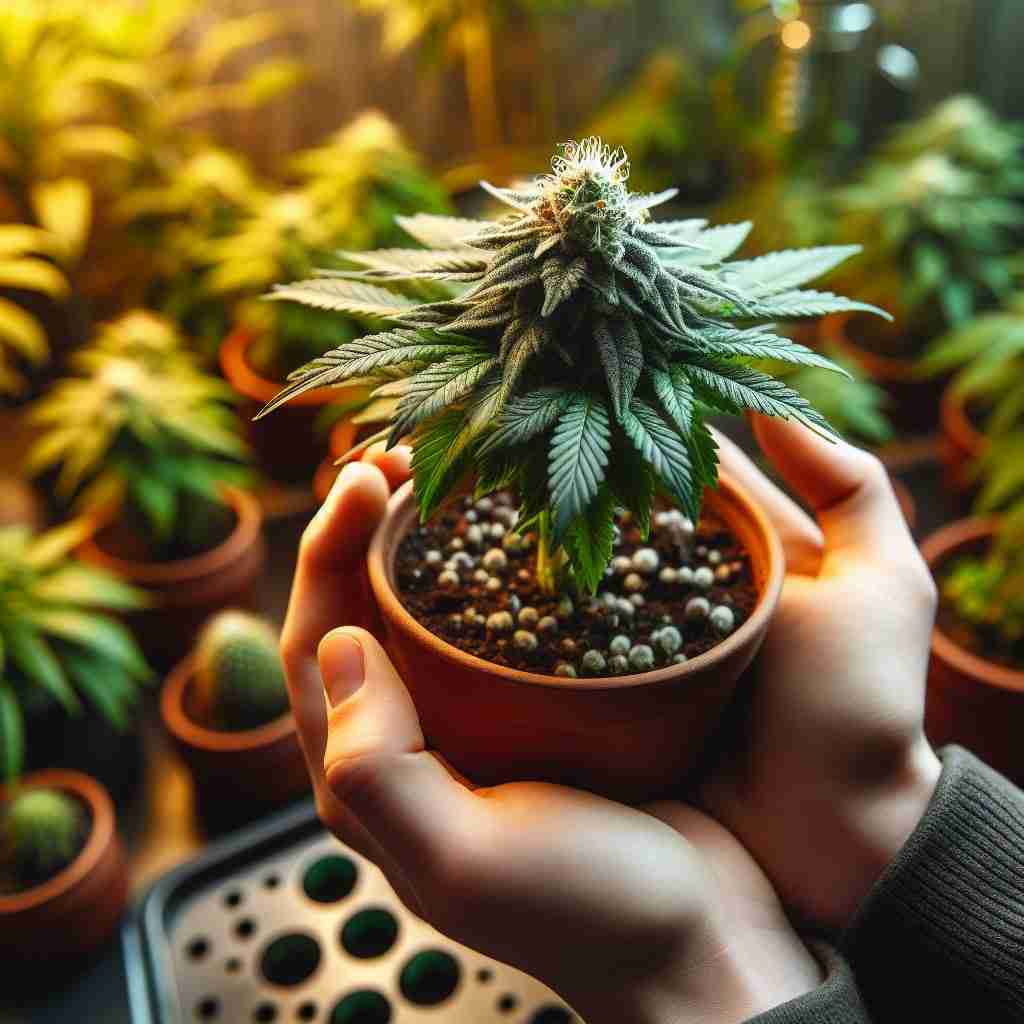
Selecting the Right Strains for Your Growing Cannabis Goals
So you’ve decided to venture into the world of growing cannabis. Congratulations! Now it’s time to choose the right strains that align with your specific goals.
- Consider your desired effects: Think about why you want to grow cannabis. Are you looking for a strain that will help relieve pain and promote relaxation? Or maybe you’re more interested in creative inspiration and an uplifted mood. Understanding what effects you desire will guide your strain selection process.
- Assess growing difficulty: Some strains are easier to cultivate than others, especially for beginners. If this is your first time growing cannabis, consider starting with a beginner-friendly strain that requires less maintenance and knowledge. As your skills progress, you can experiment with more challenging strains.
- Factor in environmental conditions: Different strains thrive in different environments, so it’s important to evaluate factors such as temperature, humidity levels, and available space before choosing a strain. Look for strains known for their ability to adapt well to varying conditions if you anticipate fluctuations in your growing environment.
Remember, each strain has unique characteristics that contribute to its overall effect and growth pattern — take the time necessary to research various options before making a final decision on which ones will best suit your cultivation goals.

Creating the Ideal Growing Cannabis Environment
To cultivate thriving cannabis plants, it is crucial to provide them with an environment that promotes healthy growth. Here are some key factors to consider when creating the ideal growing conditions for your cannabis:
- Lighting: Choosing the right grow lights is essential as they serve as artificial sunlight for your plants. High-intensity discharge (HID) lamps, such as metal halide or high-pressure sodium lights, are commonly used due to their ability to produce intense light suitable for plant growth.
- Temperature and Humidity: Maintaining a stable temperature between 70-85°F (21-29°C) during the day and slightly lower at night is optimal for most strains. Additionally, keeping humidity levels around 50% during vegetative stage and lowering it gradually to about 30% during flowering stage helps prevent mold formation.
- Ventilation and Air Circulation: Proper airflow prevents stagnant air pockets and allows carbon dioxide exchange necessary for photosynthesis. This can be achieved by setting up exhaust fans in conjunction with intake fans or vents.
- Nutrients and pH Levels: Providing your plants with nutrients through appropriate fertilizers not only fuels their growth but also ensures optimal yields at harvest time. Monitoring pH levels of water used for irrigation is equally vital as certain pH ranges allow efficient nutrient absorption by roots.
Consider these factors while cultivating cannabis indoors or outdoors to create an environment where your plants will flourish; maximizing both quality and quantity in your harvests!
Essential Tools and Equipment for Successfully Growing Cannabis
To successfully grow your own cannabis plants, there are several essential tools and equipment you’ll need. These tools will help you create an optimal environment for your plants and ensure their healthy growth. Here are the must-haves:
- Grow lights: Good lighting is crucial for indoor cultivation. LED or HID lights can provide the necessary spectrum of light needed for robust plant growth.
- Proper ventilation system: Adequate airflow is vital to prevent mold and mildew build-up, as well as maintain an ideal temperature and humidity level within your grow space.
- Growing medium: Choose a high-quality soil or hydroponic system to support root development and provide essential nutrients.
- pH meter: Monitoring the pH level of your water solution is essential because cannabis plants thrive in specific pH ranges.
- Pruning shears: Regularly prune your plants to promote better growth, increase yields, and prevent overcrowding.
With these essential tools on hand, you’ll be well-equipped to master the art of growing cannabis successfully.
Mastering the Art of Germination: Growing Cannabis From Seed to Seedling
Germination: Starting from the Seed
Germination is the crucial first step in successfully growing your own cannabis plants. It involves coaxing the seed out of its dormant state and encouraging it to sprout into a healthy seedling. To ensure germination success, follow these steps:
- Start with high-quality seeds: Choose reputable suppliers or breeders to ensure you have viable and genetically stable seeds.
- Prep your environment: Make sure your growing area has optimal conditions for germination, including a temperature of around 70-85°F (21-29°C) and a humidity level between 70-90%.
- Start small: Begin with just a few seeds until you gain confidence in the process.
- Soak your seeds: Soaking the seeds in water overnight can help jumpstart the germination process by softening their outer shell.
- Maintain moisture levels: Provide consistent moisture without saturating the soil to avoid drowning the seeds.
- Be patient: Give your seeds time to sprout—this typically takes around 2-7 days, although some strains may take longer.
Transplanting Seedlings for Healthy Growth
Once your cannabis seedlings have emerged from their shells, it’s time to prepare them for continued growth by transplanting them into larger containers with nutrient-rich soil.
- Choose appropriate containers: Select pots that are at least 4 inches (10 cm) tall, allowing enough space for root development.
- Handle with care: When moving seedlings, handle them delicately by holding onto their leaves or using a plant label stick to gently lift them out of their current container without damaging their tender roots.
- Create a suitable soil mix : Use light and well-draining potting soil mixed with perlite or vermiculite as this allows proper oxygenation of roots while preventing over-watering issues.
- Serve adequate lighting : Position seedlings under fluorescent lights or LED grow lights for 18-24 hours a day, ensuring they receive sufficient light to thrive.
- Water wisely: Water the seedlings thoroughly but only when the top inch of soil feels dry. Avoid over-watering, as excessive moisture can lead to root rot and stunted growth.
By mastering the art of germination and transplanting your cannabis seedlings with care, you’ll set your plants on a strong foundation for healthy growth in their journey towards becoming flourishing cannabis plants.
Vegetative Stage: Nurturing Healthy Growing Cannabis and Development
After successfully germinating your cannabis seeds, the next crucial stage in growing your plants is the vegetative stage. This period is vital as it sets the foundation for healthy growth and development of your cannabis plants.
During this stage, it’s essential to provide your plants with the right conditions to thrive. Here are some key points to consider:
- Lighting: Ensure that your plants receive a minimum of 18 hours of light each day during this stage. LED grow lights are an excellent option as they provide a full spectrum of light while remaining energy-efficient.
- Nutrients: Feed your plants with a balanced fertilizer specially formulated for vegetative growth. These nutrients should contain higher levels of nitrogen (N) to promote leafy growth.
- Temperature and Humidity: Maintain temperatures between 70-85°F (21-29°C) during the day and slightly cooler nights around 10°F (5-7°C) lower than daytime temperatures. The relative humidity should be kept around 40-60% to prevent mold or mildew issues.
By focusing on these factors, you can ensure optimal growth during the vegetative stage and set yourself up for success in later stages like flowering and harvesting.
Flowering Stage: Maximizing Bud Production
During the flowering stage of cannabis plants, maximizing bud production is crucial for achieving high-quality yields. Here are some essential tips to help you maximize your bud production:
- Provide proper lighting: Adequate light intensity and duration are key factors in stimulating bud development. Use high-intensity discharge (HID) grow lights, such as metal halide or high-pressure sodium lamps, to ensure your plants receive the right amount of light.
- Control temperature and humidity: Maintaining optimal temperature and humidity levels in your growing environment will promote healthy growth and resin production. Aim for temperatures between 68°F – 77°F (20°C – 25°C) during the daytime and slightly cooler temperatures at night.
- Nutrient management: Providing balanced nutrients throughout the flowering phase is vital for robust bud formation. Increase phosphorus levels while reducing nitrogen content; this can be achieved by using a bloom-specific fertilizer rich in potassium and phosphorus.
- Training techniques: Employ training methods like low-stress training (LST) or screen of green (SCROG) to encourage horizontal growth, allowing more light penetration into lower branches where buds form. This technique helps maximize overall yield potential.
By following these guidelines, you can optimize conditions for maximum bud production during the flowering stage without repetition between different sections of our comprehensive guide on successful cannabis plant cultivation!
Nutrients and Feeding: Providing the Right Nourishment
Cannabis plants require specific nutrients to grow and thrive. Providing the right nourishment is essential for cultivating healthy and robust plants. Here are a few key points to keep in mind when it comes to nutrient requirements:
- Macronutrients: Cannabis plants need nitrogen, phosphorus, and potassium – also known as NPK – in varying ratios throughout their growth stages. Nitrogen supports vegetative growth, phosphorus promotes root development, and potassium enhances overall plant health.
- Microelements: Alongside macronutrients, cannabis plants require trace elements such as calcium, magnesium, iron, zinc, copper, and manganese. These micronutrients play vital roles in various metabolic processes within the plant’s system.
- Organic vs Inorganic Fertilizers: There are two primary types of fertilizers available for feeding cannabis plants – organic and inorganic (synthetic). Organic options provide natural nutrients derived from living matter like compost or manure; while inorganic fertilizers consist of chemically synthesized minerals that offer precise control over nutrient ratios.
When choosing fertilizers for your cannabis plants ensure you consider factors like soil composition (if growing outdoors) or medium quality (if growing indoors), plant stage of life cycle (#vegetative-growth#flowering), desired outcomes (#higher-yields,#better-flavor), budget restraints (#cost-effective).
Proper feeding practices involve understanding the specific needs of your cannabis strain by performing regular soil tests or monitoring hydroponic nutrient solutions for pH levels(#balanced-pH-levels#acidic-alkaline-range) & electrical conductivity(EC).
Timely adjustments can be made based on visual cues if any deficiency symptoms like discoloration,#stunted-growth appear. Too much fertilizer can lead to #nutrient-burn which negatively impacts growth. Feeding schedules with adequate amounts during the growth and flowering stages will ensure vigorous plants and optimal yields.
Harvesting and Curing: Maximizing the Potency and Flavor When Growing Cannabis
Harvesting and Curing: Maximizing Potency and Flavor
Proper timing is crucial when harvesting cannabis plants. To maximize potency and flavor, it’s important to harvest at the optimal stage of maturity. Waiting too long can result in a loss of potency, while harvesting too early can lead to lower yields.
When determining the right time to harvest, look for key indicators such as changes in trichome color and pistil development. Trichomes are tiny resin glands that contain cannabinoids like THC, so observing their cloudy or amber appearance will give you insight into the plant’s readiness. Additionally, most growers aim for around 70-80% brown pistils before harvesting.
Once your cannabis plants have been harvested, curing is necessary to enhance their aroma and taste. Properly cured buds develop richer flavors over time as terpenes mature through controlled drying processes. This involves hanging trimmed branches upside down in a dark room with good airflow for about 7-14 days until they’re dry enough to be placed in sealed containers for long-term storage.
During curing, make sure humidity levels are maintained between 55-65% while keeping an eye on temperatures below 70°F (21°C). By following these steps meticulously during both harvesting and curing stages, you’ll ensure that your homegrown cannabis not only achieves its maximum potential but also provides a premium smoking experience.
Understanding the Importance of pH and Nutrient Balance
Maintaining a balanced pH level is crucial for successful cannabis cultivation. The pH level directly affects nutrient availability in the soil, which ultimately impacts plant growth and health. Too high or too low pH levels can lead to nutrient deficiencies or toxicities, hindering the plant’s ability to absorb essential nutrients.
To ensure optimal nutrient absorption, it’s important to monitor and adjust the pH level regularly. A range between 6. 0 and 7. 0 is generally recommended for cannabis plants grown in soil. This allows for proper uptake of nutrients such as nitrogen, phosphorus, and potassium – all necessary for robust growth.
Aside from maintaining an ideal pH level, striking a proper nutrient balance is also paramount. Cannabis plants require a variety of macronutrients (nitrogen, phosphorus, potassium) as well as micronutrients (iron, manganese, zinc) for healthy development. Providing these nutrients in appropriate proportions throughout each stage of growth promotes strong roots, lush foliage, and abundant flower production.
Remember that excessive or insufficient amounts of specific nutrients can negatively impact plant health and yield – careful monitoring is key!
Drying and Curing: Achieving the Perfect Flavor and Potency
After successfully harvesting your cannabis plants, it is crucial to properly dry and cure them in order to maximize flavor and potency. This stage of the growing process is often overlooked, but its importance should not be underestimated.
- Drying: The first step in achieving top-quality cannabis is drying the buds slowly in a dark, well-ventilated area with controlled humidity levels. Hanging branches upside down from a clothesline or wire rack allows air circulation around each bud, preventing mold or rot. A drying time of one to two weeks ensures that excess moisture evaporates from the flowers while preserving their essential oils.
- Curing: Once sufficiently dried, curing involves placing the buds in glass jars for extended storage up to several months. During this process, naturally occurring compounds within the plant continue to break down and develop rich flavors and aromas. Regularly opening jars ensures proper airflow, allowing any remaining moisture to escape without risking over-drying.
By taking these extra steps during drying and curing, you can have full control over your cannabis’s final attributes – resulting in an exceptional product that brings out its unique characteristics when consumed or enjoyed. Read our latest blog post!