
This Day in History: October 2nd History with Florida Wholesale Marijuana
Updated: December 24th, 2023

Table of Contents
Introduction
October 2nd, a day etched in history’s grand tapestry, has been witness to pivotal moments that have shaped societies and beyond. Florida Wholesale Marijuana blog brings you recalled events from cultural milestones to scientific breakthroughs, this date holds a treasure trove of events waiting to be explored. In this blog, we’ll delve deeper into the lesser-known facets of October 2nd, shedding light on intriguing facts and intertwining them with the flourishing industry of Florida wholesale marijuana. Join us on this enlightening journey through time and discovery.
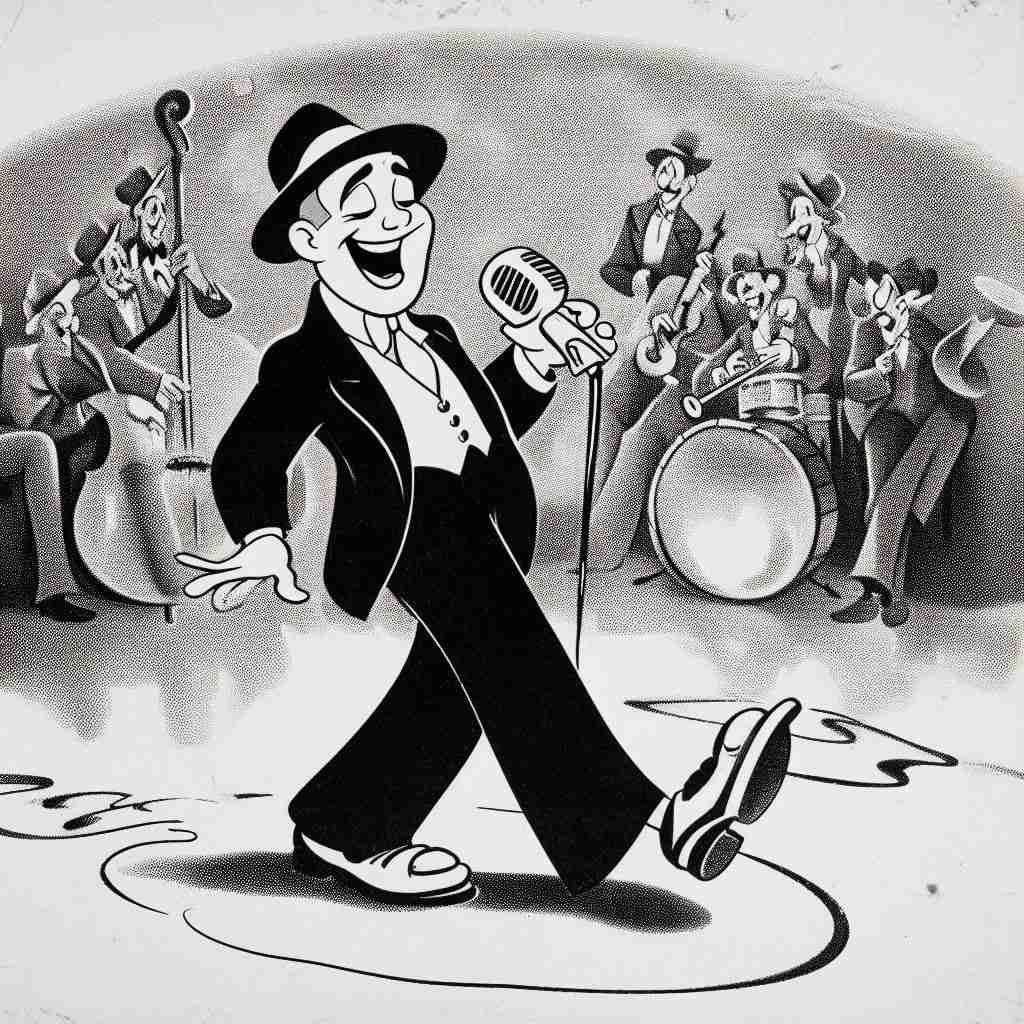
**1. The First Talking Picture – “The Jazz Singer” (1927)**
On October 2nd, 1927, cinema experienced a revolution with the release of “The Jazz Singer.” This film marked the dawn of the talkies, combining synchronized sound and moving images, transforming the silent film era into a vibrant, dialogue-filled cinematic experience. Al Jolson’s iconic line, “You ain’t heard nothin’ yet!” echoed through theaters, forever changing the landscape of filmmaking and entertainment.
**2. Thurgood Marshall Sworn in as Supreme Court Justice (1967)**
October 2nd, 1967, witnessed a historic moment in the United States judicial system. Thurgood Marshall, a champion of civil rights and the first African American Supreme Court Justice, was sworn in. Marshall’s appointment not only shattered racial barriers but also paved the way for his impactful decisions in landmark cases, leaving an indelible mark on American jurisprudence.
**3. The Formation of the Peanuts Comic Strip (1950)**
In the realm of popular culture, October 2nd, 1950, introduced the world to Charlie Brown, Snoopy, and the entire Peanuts gang. Created by Charles M. Schulz, the Peanuts comic strip became an enduring phenomenon, capturing the hearts of readers with its endearing characters and insightful narratives. Schulz’s legacy lives on, reminding us of the power of storytelling and imagination. ~ Florida Wholesale Marijuana Blogs ~

**4. The Invention of the Barcode (1952)**
In a stroke of inventive genius, October 2nd, 1952, marked the filing of the patent for the barcode system by inventors Joseph Woodland and Bernard Silver. Little did they know that their creation, initially conceived to automate grocery store checkout processes, would become ubiquitous in various industries worldwide. Barcodes have revolutionized inventory management, supply chains, and retail operations, streamlining processes and enhancing efficiency.
The invention of the barcode stands as a watershed moment in the history of technology and commerce, revolutionizing the way we shop, track inventory, and conduct business. Often overlooked for its simplicity, the barcode has had an immeasurable impact on the global economy since its inception.
In the late 1940s and early 1950s, Bernard Silver, a graduate student at Drexel Institute of Technology in Philadelphia, and his friend Norman Joseph Woodland, a fellow student, sparked the idea for a system to automatically read product information during checkout. Their inspiration came from Woodland’s desire to find a solution for grocery store owners to streamline the process of inventory management and checkout.
Woodland, intrigued by Morse code and its ability to encode information in patterns of dots and dashes, saw the potential for a similar system in a circular pattern of varying widths that could be scanned electronically. Their goal was to create a system that could efficiently and accurately encode product information, allowing for rapid data retrieval.
By 1952, Woodland and Silver had created a design that incorporated lines of varying widths, representing encoded information that could be read by a scanner. The breakthrough came when Woodland conceptualized this system using concentric circles, but they soon realized that the technology of the time wouldn’t support this design. They continued to refine their concept.
In 1952, the two friends filed a patent application for their invention titled “Classifying Apparatus and Method.” It described a system that used circular symbols printed with ink that would fluoresce under specific light conditions, allowing for easy reading by a light-sensitive device. This early design laid the groundwork for what would later become the barcode.
However, it wasn’t until the 1970s that the barcode system gained significant traction. In 1973, a group of industry leaders, led by IBM, recognized the potential of the barcode and worked to create a standard design that could be universally adopted. The result was the Universal Product Code (UPC), a linear barcode consisting of a series of parallel lines with varying widths that represent different numbers.
On June 26, 1974, at a Marsh Supermarket in Troy, Ohio, the first item marked with a UPC barcode was scanned at a checkout counter. The product was a pack of Wrigley’s chewing gum. This event marked the beginning of a new era in retail and inventory management.
The barcode’s impact on business was immediate and profound. Retailers saw increased efficiency in inventory management and checkout processes. Businesses could track sales, manage stock levels, and analyze consumer behavior more accurately than ever before. Moreover, consumers benefited from faster and more accurate checkouts, reducing waiting times at stores.
As technology advanced, barcodes evolved beyond the simple linear design. Two-dimensional barcodes, such as the QR code (Quick Response code), gained popularity, capable of storing larger amounts of data, including website URLs, contact information, and more. These codes found applications beyond retail, expanding into marketing, ticketing, and various industries worldwide.
Today, barcodes are ubiquitous, appearing on virtually every product sold in stores worldwide. They have become an indispensable tool across diverse sectors, including manufacturing, healthcare, transportation, and logistics. The barcode’s versatility and ease of use have made it an integral part of our daily lives, shaping modern commerce and revolutionizing the way we interact with products and information.
In conclusion, the invention of the barcode by Bernard Silver and Norman Joseph Woodland marked a pivotal moment in history. Their innovative concept transformed how businesses operate and how consumers experience shopping. From a simple idea to a global standard, the barcode’s journey exemplifies the profound impact of ingenuity on technology and its enduring influence on our modern world.
As the barcode gained widespread acceptance, industries beyond retail recognized its potential. In manufacturing, barcodes streamlined supply chains, allowing for efficient tracking of components, reducing errors, and improving inventory management. The ability to identify and trace items through barcodes significantly enhanced quality control measures, ensuring products met stringent standards before reaching consumers.
Moreover, the healthcare sector embraced barcoding to enhance patient safety and streamline processes. Barcoded medication administration (BCMA) systems help prevent medication errors by ensuring the right medication is administered to the right patient at the right time. This technology reduces the risk of mistakes and improves the accuracy of patient records, ultimately saving lives.
In logistics and transportation, barcodes revolutionized the way goods are tracked and shipped. Package delivery services rely heavily on barcodes to efficiently sort and route parcels, allowing for real-time tracking and tracing of shipments across complex networks.
Furthermore, barcodes have found innovative applications in diverse fields. Libraries use them to catalog books, event tickets incorporate barcodes for admission control, and airlines use them for boarding passes, all streamlining processes and enhancing customer experiences.
The evolution of barcodes didn’t stop at linear designs. Two-dimensional barcodes, like QR codes, expanded capabilities, enabling data storage far beyond product identification. QR codes allow businesses to embed extensive information, links, and multimedia, serving as powerful marketing tools and facilitating contactless interactions.
The future of barcodes continues to evolve with advancements in technology. Emerging trends, such as RFID (Radio Frequency Identification) and NFC (Near Field Communication), offer alternative methods for data capture and interaction, complementing traditional barcoding systems.
As industries move toward automation and digitization, barcodes remain at the forefront, integrating with sophisticated systems like IoT (Internet of Things) and AI (Artificial Intelligence). Smart shelves, automated inventory management, and predictive analytics all rely on barcoding technology as a fundamental component.
In essence, the barcode’s impact transcends its simple appearance; it symbolizes the marriage between innovation and practicality. Bernard Silver and Norman Joseph Woodland’s invention laid the groundwork for a transformative tool that has shaped the modern world. From enhancing operational efficiency to improving consumer experiences, the barcode’s journey illustrates how a seemingly small idea can have an extraordinary and far-reaching impact across diverse industries, fundamentally changing the way we conduct business and live our lives.
—
**Florida Wholesale Marijuana: Cultivating Growth and Innovation**
Amidst these historical milestones, the Florida wholesale marijuana industry has undergone a transformative journey. Florida’s conducive climate and progressive legislation have paved the way for innovative cultivation practices and a thriving wholesale market.
*Lesser-Known Fact: Florida’s Cannabis Diversity*
Florida’s cannabis industry boasts a rich diversity of strains, each with unique properties and benefits. From the calming effects of indica strains to the energizing qualities of sativa varieties, the state’s growers have cultivated a wide array of cannabis products tailored to meet the needs and preferences of diverse consumers. This variety not only caters to recreational users but also provides medicinal relief to patients with specific health conditions.
*Navigating the Florida Wholesale Marijuana Landscape*
Navigating the landscape of Florida’s wholesale marijuana market requires a nuanced understanding of legal regulations, consumer demands, and cultivation techniques. Entrepreneurs aiming to capitalize on this burgeoning industry must stay updated with the latest trends and compliance requirements. By aligning their strategies with the state’s regulations and consumer preferences, businesses can thrive and contribute to the flourishing cannabis economy.
*Florida Wholesale Marijuana Opportunities*

Entrepreneurs seeking opportunities in the Florida wholesale marijuana market can explore various avenues, including cultivation, distribution, and product innovation. By focusing on high-quality products, sustainable practices, and customer satisfaction, businesses can establish their presence and grow within this dynamic industry. Understanding the market demand and consumer behavior is key to capitalizing on the abundant opportunities available.
—
**Conclusion** Florida Wholesale Marijuana
October 2nd stands as a testament to the ceaseless march of progress and innovation. As we celebrate the achievements of the past and embrace the opportunities of the present, this date serves as a reminder of the transformative power of human ingenuity. History, both rich and diverse, continues to unfold, weaving the threads of the past into the fabric of the present and shaping the promising horizons of the future.
*Lesser-Known Fact: History’s Unseen Tapestry*
As we reflect on the fascinating events of October 2nd, we uncover the unseen tapestry of history, where remarkable individuals and groundbreaking inventions have left an indelible imprint on our world. In the intersection of history and industry, we find inspiration and potential, inviting us to explore, innovate, and contribute to the ever-evolving story of humanity.
— https://caliwholesalecannabis.com