
The Future of Recreational Weed in Arkansas: What You Need to Know
January 15th, 2025

Table of Contents
As the landscape of recreational marijuana use continues to shift across the United States, residents wanting recreational weed in Arkansas are left wondering about the future of weed in their state. With recent legislative changes and shifting public opinion, it is important for individuals to stay informed on all aspects surrounding recreational cannabis in Arkansas. From potential legalization efforts to regulations and taxation, understanding what lies ahead is crucial for anyone interested in partaking or investing in this growing industry.
In this article, we will delve into the key factors impacting the future of recreational weed in Arkansas, providing readers with essential information they need to know moving forward. Stay tuned as we explore the evolving landscape of marijuana legislation and its implications for consumers and businesses alike.

Current Status of Recreational Weed in Arkansas
- Medical Marijuana: Medical marijuana in Arkansas was legalized through a ballot measure in 2016.
- Recreational Use: Recreational use of weed is still illegal in the state.
- Legislation Efforts: There have been discussions and efforts to push for the legalization of recreational weed, but no concrete steps have been taken so far.
Arkansas residents can legally access medical marijuana with a doctor’s recommendation. However, those looking to consume recreationally must adhere to existing laws. Given the growing acceptance of cannabis nationwide, it remains to be seen how Arkansas will navigate potential changes regarding recreational use.
As public opinion evolves and neighboring states move towards legalization, there may be increased pressure on lawmakers to revisit their stance on recreational weed. Stay informed about any developments or initiatives that could shape the future landscape of cannabis policies in Arkansas.
Legislative Efforts Towards Legalization
- Bills in the Arkansas Legislature: In recent years, there have been several bills introduced in the Legislature aimed at legalizing recreational weed in Arkansas. These bills have sparked debates and discussions among lawmakers, advocates, and opponents alike.
- Public Opinion Influence: Public opinion plays a crucial role in shaping legislative efforts towards legalization. As more states across the country move towards allowing recreational cannabis use, attitudes towards marijuana are evolving in Arkansas as well.
- Potential Path Forward: While progress has been slow thus far, there is optimism among supporters of legalization that with continued advocacy and education, Arkansas may eventually join the growing number of states that have legalized recreational weed.
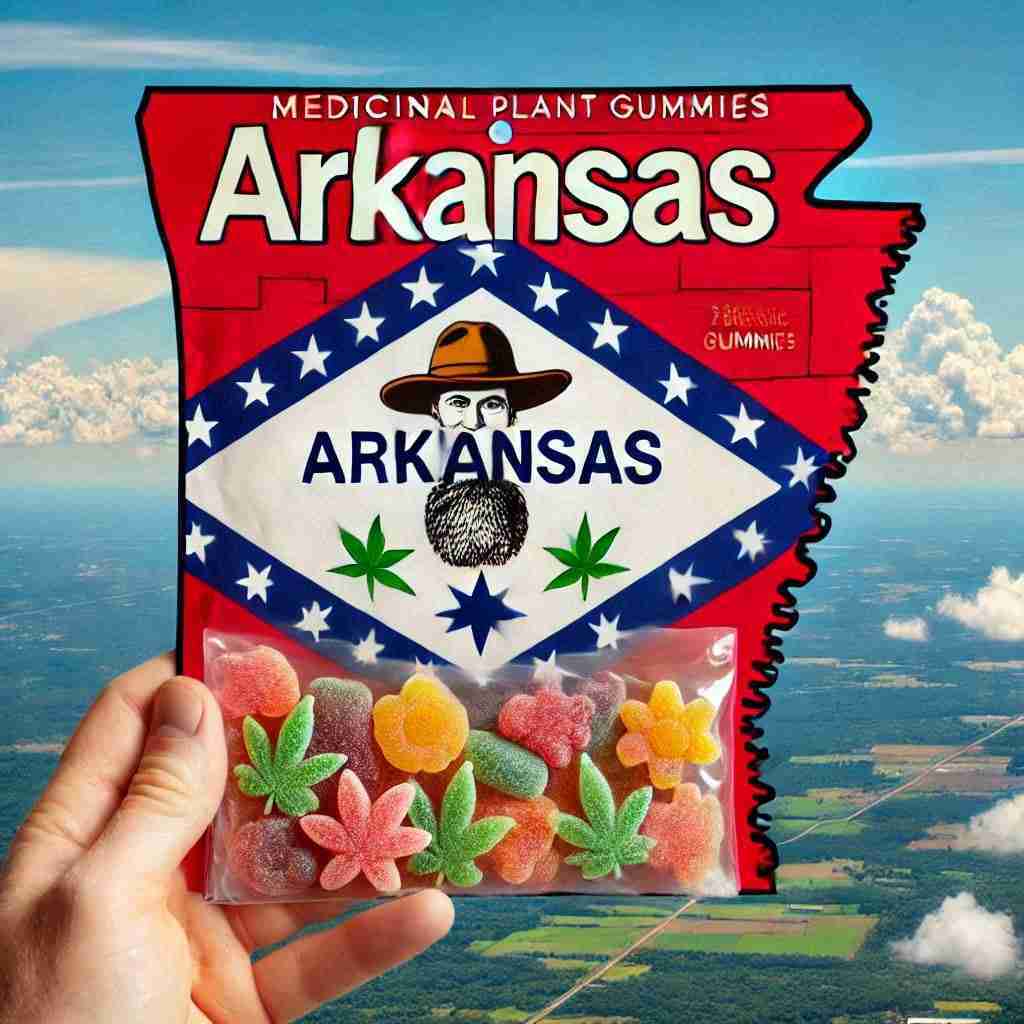
Public Opinion and Support for Recreational Weed in Arkansas
- Surveys show that public opinion regarding recreational weed in Arkansas is shifting.
- Recent polls indicate a growing number of Arkansans support legalization.
- Proponents argue it could bring economic benefits to the state.
Arkansas residents are becoming more open to the idea of legalizing recreational marijuana. The momentum seems to be building as more people recognize the potential revenue stream it could provide for the state. However, there are still concerns about potential risks and social implications associated with this controversial issue. As discussions continue, it will be interesting to see how public opinion evolves on this topic in Arkansas.
Potential Benefits of Legalizing Recreational Weed in Arkansas
- Economic Growth: Legalizing recreational weed in Arkansas could generate significant revenue through taxes and fees. This additional income could be used to fund essential public services such as education, healthcare, and infrastructure.
- Job Creation: The marijuana industry has the potential to create new jobs, from cultivation and distribution to retail sales and regulation. These employment opportunities could help boost the state’s economy and reduce unemployment rates.
- Regulation and Safety: By legalizing recreational weed, Arkansas can implement stricter regulations on product quality and safety standards. This would ensure that consumers have access to safer products while also reducing the risks associated with purchasing unregulated cannabis from illicit sources.
Comparison to Other States with Legalized Recreational Weed
- Colorado: Colorado was one of the first states to legalize recreational weed in 2012. It has since seen a boom in tax revenue, tourism, and job creation within the cannabis industry.
- California: California, with its massive population and economy, legalized recreational marijuana in 2016. However, regulatory challenges have hindered the industry’s growth potential.
- Oregon: Oregon legalized recreational weed in 2014 but has struggled with oversupply issues and competition from the black market. Tight regulations have affected small-scale growers negatively.
When compared to these states, Arkansas can learn valuable lessons on regulation, taxation, and market dynamics as it navigates its own path towards legalized recreational weed. By studying both successful and struggling models, Arkansas can tailor its approach to ensure a thriving cannabis industry for residents and businesses alike.
Regulatory Framework for Recreational Weed in Arkansas
- In Arkansas, the regulatory framework for recreational weed is overseen by the Arkansas Medical Marijuana Commission.
- The commission enforces rules and regulations that govern the cultivation, distribution, and sale of recreational marijuana in the state.
- Dispensaries must adhere to strict guidelines regarding security measures, packaging standards, advertising restrictions, and sales limits.
Overall, the regulatory framework aims to ensure public safety while allowing legal access to recreational marijuana. It involves a thorough application process for dispensaries and cultivators alike. Compliance with these regulations is essential for businesses operating within this industry to avoid penalties or potential closure. As laws continue to evolve surrounding recreational marijuana in Arkansas, staying informed about updates from the Medical Marijuana Commission will be crucial for both consumers and businesses involved in this market.
Taxation of Recreational Weed Sales
- State Taxes: Arkansas imposes a sales tax on recreational weed sales, currently set at [6. 5%](https://www. salestaxhandbook.com/arkansas), which can vary depending on local taxes.
- Excise Taxes: In addition to sales tax, a special excise tax is levied on recreational marijuana in some states like Colorado and California. This could be considered in the future by Arkansas legislators as well.
- Federal Impact: As federal law still classifies marijuana as illegal, businesses operating in the cannabis industry are not eligible for common business deductions such as advertising expenses or employee salaries under IRS code section 280E. This impacts their profitability and makes clear guidance on taxation essential for those involved in this emerging market.
In conclusion, understanding the intricacies of taxation when it comes to recreational weed in Arkansas is crucial for both consumers and businesses alike. With evolving regulations at both state and federal levels, staying informed about potential changes is vital to navigating this market successfully.
Impact on the Economy of Arkansas
- Legalizing recreational weed in Arkansas could have a significant impact on the state’s economy.
- The cannabis industry has shown potential for creating new jobs, boosting tax revenue, and attracting investments.
- By allowing recreational marijuana sales, Arkansas could potentially see an increase in tourism and overall economic growth.
Job Creation
- One of the biggest impacts of legalizing recreational weed is job creation.
- From growers to dispensary workers, there will be a variety of employment opportunities available.
Tax Revenue Boost
- Legalization would also bring in additional tax revenue for the state government.
- This revenue can then be used to fund various public programs and services.
Social Equity and Justice in the Cannabis Industry
- Equity Programs: Arkansas is implementing equity programs to ensure that individuals from communities disproportionately impacted by cannabis criminalization have equal opportunities in the industry.
- Expungement Policies: The state is also working on expungement policies to clear the records of those with past cannabis convictions, providing them a chance to participate in legal marijuana business.
- Restorative Justice: By focusing on social equity and justice, Arkansas aims to remedy the disparities caused by decades of unjust drug policies, creating a more inclusive and fair cannabis industry for all its residents.
Opportunities for Small Businesses in the Cannabis Market
- Starting a small cannabis dispensary in Arkansas could be a lucrative opportunity for entrepreneurs looking to enter the growing cannabis market. With recreational weed legalization on the horizon, small businesses have a chance to establish themselves in an emerging industry.
- Cultivation and processing facilities are another avenue for small businesses to explore in the Arkansas cannabis market. Establishing a cultivation operation or processing plant could provide a steady revenue stream while contributing to the local economy.
- The demand for ancillary services such as packaging, marketing, legal services, and security solutions is also expected to increase with the growth of the cannabis market in Arkansas, presenting additional opportunities for small businesses to thrive in this new industry landscape.
Medical Marijuana vs Recreational Weed in Arkansas
- In Arkansas, medical marijuana is legal for qualified patients with specific conditions.
- This differs from recreational weed, which is not yet legalized in the state.
- Medical marijuana requires a doctor’s recommendation and a state-issued card for purchase.
Key Differences:
- Legality: Medical marijuana is legal with restrictions, while recreational weed remains illegal.
- Purpose: Medical marijuana is used for treating specific health conditions, whereas recreational weed is used for non-medical purposes.
- Access: Patients need a doctor’s recommendation and official card to access medical marijuana, unlike recreational use that may be purchased illegally.
In conclusion, understanding the distinctions between medical marijuana and recreational weed in Arkansas is crucial for residents seeking alternative treatments or those curious about potential future changes to legislation.
Effects on Public Health and Safety
Impact on Public Health and Safety
- Legalizing recreational weed in Arkansas could have both positive and negative effects on public health.
- On one hand, regulating the sale of marijuana can ensure that products are tested for safety and potency, reducing the risk of consuming harmful substances.
- However, increased accessibility to cannabis may also lead to higher rates of substance abuse and impaired driving, posing a threat to public safety.
Regulation and Education
- To mitigate potential risks associated with legalizing recreational weed, strict regulations must be implemented to control its distribution and consumption.
- Additionally, investing in educational campaigns can help raise awareness about responsible marijuana use and the potential health consequences associated with its misuse.
- By striking a balance between access to recreational weed and safeguarding public health, Arkansas can navigate the future of cannabis legalization effectively.
Potential Job Creation in the Cannabis Industry
- The legalization of recreational weed in Arkansas could lead to a surge in job opportunities within the cannabis industry.
- From cultivation to retail sales, there will be a diverse range of roles available for individuals looking to enter this emerging market.
- Job creation is expected not only at dispensaries but also in ancillary businesses such as security services, legal consulting, and packaging companies.
Economic Impact on Local Communities
- The growth of the cannabis industry could provide a significant economic boost to local communities across Arkansas.
- Tax revenue generated from marijuana sales can be used to fund essential services like education and healthcare.
- Additionally, the influx of new businesses and jobs can stimulate economic development in areas that have been historically underserved.
Environmental Considerations of Cannabis Cultivation
- Water Usage: Cannabis cultivation requires a significant amount of water, which can strain local water resources. Farmers must consider sustainable irrigation practices to minimize their environmental impact.
- Energy Consumption: Indoor cannabis grows use large amounts of electricity for lighting, heating, and cooling. This high energy consumption contributes to carbon emissions and climate change. Alternative energy sources like solar power can be utilized to reduce the environmental footprint.
- Waste Management: Cannabis cultivation generates waste in the form of plant material, chemicals, and packaging. Proper disposal methods are crucial to prevent pollution and contamination of soil and water sources. Implementing recycling programs and using biodegradable materials can help mitigate these issues.
Challenges and Obstacles to Legalizing Recreational Weed
- Federal Regulations: One major obstacle to legalizing recreational weed in Arkansas is the conflict with federal laws, where marijuana is still classified as a Schedule I controlled substance. This clash creates uncertainty for both state governments and businesses operating within the cannabis industry.
- Public Perception: Another challenge comes from public perception, with some groups expressing concerns about the potential negative effects of widespread cannabis use on society. Addressing these concerns through education and transparency will be crucial in gaining support for legalization.
- Regulatory Hurdles: Implementing a framework for regulating recreational weed presents its own set of challenges, including determining age restrictions, setting up licensing requirements, enforcing safety standards, and managing taxation. Developing a comprehensive regulatory system that ensures public health and safety will require careful planning and collaboration between government agencies.
Education and Awareness Campaigns on Cannabis Use
- Targeted Messaging: Education campaigns in Arkansas will focus on providing clear, concise information about the risks and benefits of cannabis use. Messages will target different demographics to ensure that all residents are informed.
- School Programs: Schools in Arkansas will incorporate education about cannabis into their curriculum to inform students about the potential consequences of its recreational use. This proactive approach aims to prevent underage consumption.
- Community Engagement: Local government agencies and organizations will work together to create awareness campaigns that promote responsible cannabis consumption among adults. Community events, workshops, and informational materials will be used to reach a wider audience.
Through these initiatives, Arkansas hopes to foster an environment where individuals can make educated decisions regarding their cannabis use while promoting public health and safety.
Future Trends and Predictions for Recreational Weed in Arkansas
- Increased acceptance: As more states across the U. S. legalize recreational marijuana, it’s likely that public perception in Arkansas will continue to shift towards greater acceptance of weed.
- Market growth: With a potentially growing market for recreational weed, we can expect to see an increase in dispensaries, product offerings, and consumer demand within the state.
- Regulatory changes: Over time, regulations surrounding the sale and use of recreational marijuana are expected to evolve, possibly becoming more lenient or restrictive based on societal attitudes and governmental decisions.
Conclusion
The future of recreational weed in Arkansas remains a topic of significant interest and debate. While medical marijuana in Arkansas is currently legal, the push for recreational legalization continues to gain momentum as public opinion shifts and neighboring states embrace change. Legalization offers potential benefits, including economic growth, job creation, and public health safeguards through regulation. However, challenges such as federal laws, societal concerns, and regulatory complexities must be addressed.
As Arkansas navigates this evolving landscape, staying informed on legislative efforts, public opinion, and industry trends will be essential. The path forward promises opportunities and challenges, shaping a unique future for cannabis in the state.