
The Impact of Legalizing Recreational Weed in Iowa: A Comprehensive Analysis
January 13th, 2025

Table of Contents
The legalization of recreational weed in Iowa has sparked a heated debate among policymakers, residents, and experts alike. In this comprehensive analysis, we aim to delve deeper into the potential impacts of this significant legislative change on various aspects of society. From changes in crime rates and public health outcomes to economic implications and social dynamics, we will explore how legal recreational marijuana could reshape the landscape of Iowa. By examining both the benefits and challenges associated with such a move, this article seeks to provide a thorough understanding of the potential consequences for individuals and communities across the state.

Public Opinion on Recreational Weed in Iowa
- Recent surveys show a shift in public opinion towards the legalization of recreational weed in Iowa.
- Many Iowans now support legalizing recreational marijuana for adults.
- Support stems from potential economic benefits and the idea of personal freedom.
Concerns about Legalization
- However, some individuals express concerns about the impact of legalizing recreational weed on youth.
- They worry about increased access and normalization of drug use among young people.
- These concerns highlight the need for thoughtful regulation and education if legalization were to occur.
Historical Context of Marijuana in Iowa
- Early Regulation: In the early 1900s, Iowa began regulating marijuana due to growing concerns about its potential misuse.
- Criminalization: By the mid-20th century, marijuana was criminalized in Iowa as part of wider national efforts.
- Legal Medical Use: In 2014, Iowa legalized medical marijuana for limited conditions like epilepsy and cancer treatment.
The historical context of marijuana in Iowa reflects a shift from strict regulation to gradual acceptance. As societal attitudes towards cannabis continue to evolve nationally, it is essential to consider these historical roots when analyzing the impact of potential legalization for recreational use within the state.
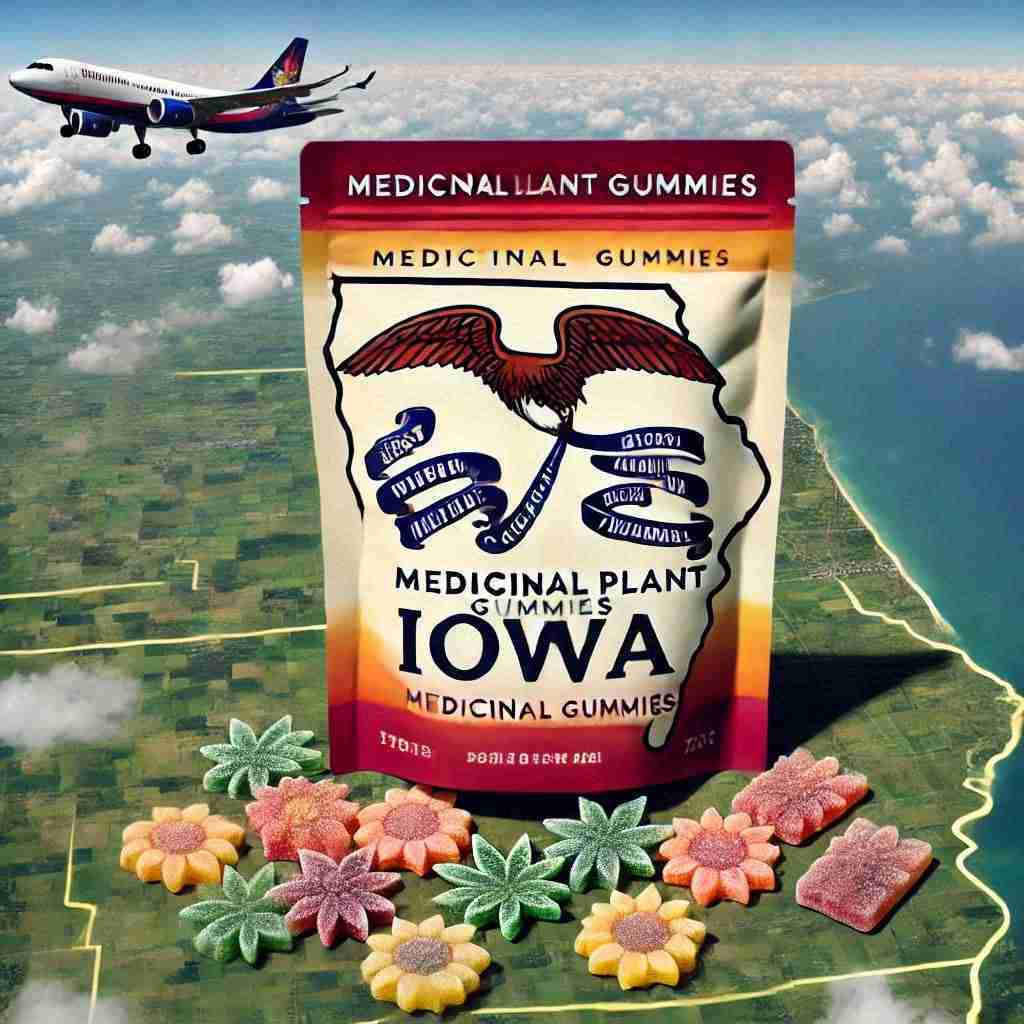
Current Status of Medical Marijuana in Iowa
- Limited Availability:
- Iowa has a medical marijuana program that allows for the use of specific cannabis products with a doctor’s recommendation.
- However, the availability and accessibility of these products are limited, restricting many patients from accessing this form of treatment.
- Strict Regulations:
- The current laws in Iowa impose strict regulations on medical marijuana use, limiting the THC content allowed in products and only permitting certain methods of consumption.
- Push for Expansion:
- There is an ongoing push by advocates and legislators to expand Iowa’s medical marijuana program to include more qualifying conditions and make products more readily available to those in need.
Impact on Crime Rates and Law Enforcement
- Legalizing recreational weed in Iowa has shown a mixed impact on crime rates. Some studies suggest a decrease in violent crime, as law enforcement resources can be redirected to more serious offenses. However, there has been an increase in certain property crimes related to the cannabis industry, such as thefts at dispensaries or illegal growing operations.
- Law enforcement agencies have had to adapt their practices and policies in response to the legalization of recreational weed. This includes training officers to recognize impairment from marijuana use and enforcing regulations related to driving under the influence. Additionally, police departments have had to allocate resources towards monitoring compliance with cannabis laws and investigating any illicit activities associated with the industry.
- Overall, legalizing recreational weed in Iowa has presented both challenges and opportunities for law enforcement. While some aspects of crime rates may have shifted, it is crucial for authorities to continuously evaluate and adjust their strategies to effectively address any potential negative consequences that may arise from legalization.
Potential Health Benefits and Risks
Potential Health Benefits:
- Pain Management: Some studies suggest that marijuana can help alleviate chronic pain for individuals suffering from conditions like arthritis or multiple sclerosis.
- Anxiety and Depression Relief: Certain strains of cannabis may have mood-enhancing effects, providing relief for those struggling with anxiety or depression.
- Appetite Stimulation: In some cases, using marijuana can help boost appetite in patients undergoing chemotherapy or dealing with eating disorders.
Potential Health Risks:
- Negative Cognitive Effects: Heavy use of marijuana has been linked to memory problems, impaired decision-making, and decreased cognitive function.
- Respiratory Issues: Smoking weed can lead to respiratory problems similar to those caused by smoking tobacco, such as bronchitis or lung irritation.
- Addiction Potential: While not as addictive as drugs like heroin or cocaine, some individuals may develop a psychological dependence on marijuana.
Economic Impact on Iowa’s Budget
- Legalizing recreational weed in Iowa could lead to a significant boost in tax revenue for the state.
- This additional income could help fund various government programs and services, such as education and healthcare.
- By regulating and taxing marijuana sales, Iowa stands to benefit economically.
Potential Increase in Tax Revenue
- The legalization of recreational weed has the potential to bring in millions of dollars annually through taxes.
- This revenue can be used to address budget deficits and invest in areas that benefit the residents of Iowa.
Positive Contribution to State Finances
- In states where recreational marijuana is legal, there has been evidence of increased economic growth and job creation within related industries.
- By legalizing marijuana, Iowa could see similar positive impacts on its economy.
Tax Revenue from Legalized Marijuana Sales
- Legalizing recreational weed in Iowa could result in a substantial increase in tax revenue for the state.
- The taxation of marijuana sales would generate significant income that can be used to fund various public services and initiatives.
- Studies have shown that states with legalized cannabis have seen a boost in tax revenue, which could benefit Iowa’s economy.
In conclusion, legalizing recreational weed in Iowa has the potential to positively impact the state’s financial standing through increased tax revenue from marijuana sales. By regulating and taxing cannabis, the state can harness a new source of income to support essential programs and infrastructure projects. This additional revenue stream could help improve public services and stimulate economic growth within Iowa.
Employment Opportunities in the Cannabis Industry
- The legalization of recreational weed in Iowa has created a burgeoning job market within the cannabis industry.
- Various roles such as budtenders, growers, cultivators, and dispensary managers are in high demand.
- Beyond traditional positions, there is also a need for professionals in legal, marketing, accounting, and regulatory compliance sectors specifically tailored to the cannabis market.
In this evolving landscape:
- Individuals with diverse skill sets have the chance to contribute to an industry that is poised for exponential growth.
- Job seekers can explore opportunities ranging from entry-level positions to senior management roles.
- With training programs and educational resources becoming more available, aspiring professionals can enter this field equipped with knowledge and experience.
Effects on Tourism and Local Businesses
- Increase in Tourist Traffic: The legalization of recreational weed in Iowa is expected to boost tourism, as cannabis enthusiasts may flock to the state to indulge legally. This influx of visitors could positively impact local businesses, such as hotels, restaurants, and tourist attractions.
- Opportunities for Cannabis-related Enterprises: With the legalization of recreational weed comes opportunities for local businesses to enter the cannabis industry. Dispensaries, grow operations, and other related ventures have the potential to thrive, creating new jobs and contributing to the economy.
- Challenges for Established Businesses: On the flip side, existing establishments may face challenges as they navigate competition from newly established cannabis-related businesses. Restaurants and entertainment venues might need to adapt their offerings to cater to a changing consumer landscape influenced by legal marijuana consumption.
Social Equity and Justice Issues
- Legalizing recreational weed in Iowa can potentially address social equity issues by reducing the disproportionate impact of drug laws on marginalized communities.
- The criminalization of marijuana has led to high incarceration rates for minority groups, perpetuating systemic inequalities.
- By legalizing cannabis, Iowa could implement measures to expunge prior convictions and provide opportunities for those affected by past drug policies.
In summary, the legalization of recreational weed in Iowa has the potential to foster social equity and justice by addressing the historical injustices caused by outdated drug laws. Expunging prior convictions and providing opportunities for affected individuals can help level the playing field and reduce disparities in the criminal justice system. While there are still challenges to overcome, such as ensuring equal access to the emerging industry, taking steps towards a more equitable society is a significant step forward.
Recreational Weed in Iowa Impact on the Black Market
- Legalizing recreational weed in Iowa has dealt a severe blow to drug trafficking organizations that previously profited from illegal sales of marijuana. By regulating the sale of cannabis, the state has effectively undercut the black market, making it less profitable for criminals to engage in illicit activities.
- With legal dispensaries now providing safe and quality products to consumers, there is less incentive for individuals to seek out dealers who may offer potentially harmful or contaminated substances. The legalization of recreational weed has redirected revenue away from criminal enterprises and into the hands of legitimate businesses.
- Furthermore, law enforcement resources can be reallocated towards more pressing issues now that they no longer need to focus as heavily on combating marijuana-related crimes. This shift allows authorities to target more dangerous drugs and violent offenses, enhancing overall public safety in Iowa.
Comparison to Other States with Legalized Weed
In terms of tax revenue, Iowa lags behind states like Colorado and California that have had legalized recreational weed for a longer period. While these states have generated significant income from cannabis sales, Iowa is still in the early stages of realizing the full financial benefits.
When it comes to regulation, Iowa has stricter laws compared to states like Oregon and Washington. The limited number of dispensaries and stringent licensing requirements in Iowa make it more challenging for businesses to enter the cannabis market.
However, despite these differences, one common impact among all states with legalized weed is the reduction in illegal drug activity. By providing legal avenues for purchasing marijuana, these states have effectively undermined illegal drug trafficking networks and reduced associated criminal activities.
Impact on Agricultural Sector in Iowa
- Legalizing recreational weed in Iowa could have a significant impact on the state’s agricultural sector.
- Farmers may see an increase in demand for land to cultivate cannabis, potentially driving up land prices.
- This shift in focus towards marijuana cultivation could result in changes to traditional crops grown in the region.
Overall, the legalization of recreational weed in Iowa has the potential to bring both opportunities and challenges to the state’s agricultural industry. Farmers will need to adapt to changing market demands and regulations as they navigate this new landscape.
Impact on Mental Health Services
- With the legalization of recreational weed in Iowa, mental health services may experience an increased demand for support and resources.
- Studies have shown a correlation between marijuana use and certain mental health conditions such as anxiety and depression.
- It is important for mental health providers to be prepared for potential upticks in clients seeking assistance for issues related to cannabis use.
Access to Treatment Options
- Legalizing recreational weed could also lead to more individuals seeking substance abuse treatment or counseling.
- Mental health professionals may need additional training on how to address marijuana use within the context of therapy.
- Ensuring that there are enough resources available to meet the needs of those struggling with addiction will be crucial in light of this policy change.
Impact on Substance Abuse Treatment Centers
- Increased demand for services: With the legalization of recreational weed in Iowa, substance abuse treatment centers may experience a surge in individuals seeking help for marijuana addiction. This influx could strain resources and lead to longer wait times for patients needing assistance.
- Shift in focus: Treatment centers may need to adjust their programs and strategies to address the specific challenges associated with marijuana use disorder. Staff training and education on how to effectively treat cannabis-related issues may become essential.
- Collaboration with legal authorities: It is crucial for substance abuse treatment centers to work closely with law enforcement agencies and policymakers to develop comprehensive approaches that promote responsible cannabis consumption while providing adequate support for individuals struggling with addiction. By fostering collaboration, treatment centers can better navigate the changing landscape of drug policies in Iowa post-legalization of recreational weed.
Potential Challenges and Obstacles to Implementation
- Lack of Regulation: One major obstacle that Iowa may face with the legalization of recreational weed is the lack of comprehensive regulations in place. Without clear guidelines on cultivation, distribution, and sales, there could be confusion and potential black market activity.
- Public Health Concerns: Another challenge could be managing public health concerns related to increased marijuana use. Issues such as driving under the influence, substance abuse disorders, and exposure to secondhand smoke would need careful consideration and planning.
- Federal Regulations: The conflict between state legalization and federal laws prohibiting marijuana possession and use presents a significant hurdle for implementation in Iowa. This discrepancy could impact banking services, taxation, and law enforcement actions surrounding cannabis legalization in the state.
Future Outlook for Recreational Weed in Iowa
- The future outlook for recreational weed in Iowa remains uncertain as the legislation around it continues to evolve.
- Currently, there are no immediate plans for legalizing recreational marijuana in the state, but with neighboring states such as Illinois and Michigan already embracing it, pressure may increase on Iowa lawmakers to reconsider their stance.
- Public opinion on the matter is also shifting, with a growing number of Iowans supporting legalization for both economic and social reasons. It is possible that a ballot initiative could eventually lead to a referendum where voters decide on the issue.
In conclusion, while recreational weed legalization might not be imminent in Iowa, the tide seems to be turning towards a more accepting attitude. As attitudes change and surrounding states reap benefits from legalized marijuana sales, it will be interesting to see how Iowa responds in the coming years. Regardless of what happens next, one thing is clear – the debate surrounding recreational weed will continue to shape discussions within the state’s political landscape.
Legalizing recreational weed in Iowa has the potential to bring significant changes across economic, social, and public health domains. While proponents highlight benefits like increased tax revenue, job creation, and social equity, opponents raise concerns about youth access, public health risks, and regulatory challenges. This multifaceted issue demands careful consideration, balancing potential opportunities with the risks involved. As Iowa evaluates this path, lessons from other states will play a crucial role in shaping its future.