
The Evolution of Recreational Weed in Mississippi: A Social Perspective
January 20th, 2025

Table of Contents
As attitudes and legislation surrounding recreational weed shift across the United States, and the idea of recreational weed in Mississippi finds itself at a crucial point in its own evolution of cannabis laws. From prohibition to potential legalization, the state is navigating a complex web of social, economic, and legal considerations that will shape the future landscape of recreational marijuana use.
In this article, we will delve into the history of cannabis in Mississippi, explore current trends and debates surrounding its legalization for recreational purposes, and analyze what the future may hold for both consumers and society as a whole. Join us on this journey as we examine The Evolution of Recreational Weed in Mississippi: A Social Perspective.

The Changing Public Perception of Recreational Weed in Mississippi
- Increasing Acceptance:
- With a more prominent focus on the benefits of recreational weed, public opinion in Mississippi is gradually shifting towards acceptance.
- Many individuals are recognizing the medicinal properties and economic potential of cannabis in MS, leading to a more favorable view.
- Educational Initiatives:
- Educational campaigns and research efforts have played a significant role in changing perceptions.
- By providing accurate information about the effects and uses of recreational weed, misconceptions are being dispelled.
- Social Influence:
- As more states legalize recreational marijuana, Mississippi residents are observing the positive outcomes experienced elsewhere.
- This growing social acceptance is contributing to a shift in attitudes towards recreational weed in Mississippi.
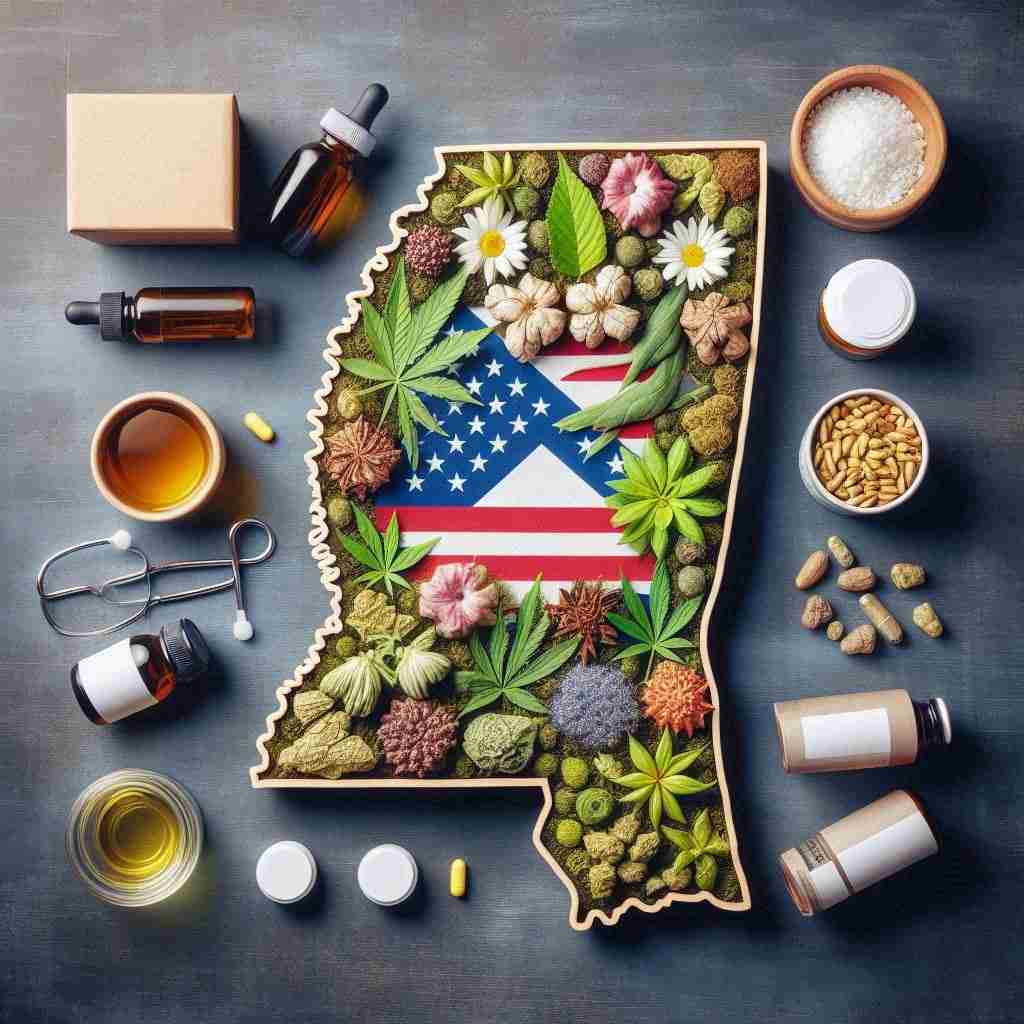
The Historical Context of Cannabis in Mississippi
- In the historical context of cannabis in Mississippi, the state has a long and complicated relationship with the plant.
- Initial uses of cannabis were primarily for industrial and medicinal purposes before its recreational use became more widespread.
- In early 20th-century America, attitudes towards cannabis started to shift due to various factors such as misinformation campaigns and racial biases.
Throughout history, Mississippi has seen fluctuations in public opinion regarding cannabis. Prohibition laws eventually restricted its use despite its previous acceptance. The historical backdrop provides valuable insight into how societal perceptions have influenced legislation surrounding cannabis consumption.
The War on Drugs and its Impact on Marijuana Laws
- The War on Drugs, initiated in the 1970s by President Nixon, greatly influenced marijuana laws in Mississippi and across the United States.
- Harsh penalties were imposed for possession and distribution of marijuana, leading to a stigma surrounding the drug.
The strict enforcement of drug laws resulted in overcrowded prisons and disproportionately affected communities of color.
- In recent years, there has been a shift towards more lenient attitudes regarding marijuana use due to growing evidence supporting its medicinal benefits.
The Role of Mississippi Medical Marijuana
- Mississippi’s medical marijuana program plays a crucial role in providing relief to patients suffering from various health conditions.
- Through this program, individuals with qualifying illnesses can access cannabis-based treatments that may alleviate symptoms and improve their quality of life.
- The legalization of medical marijuana in Mississippi represents a shift towards more compassionate and evidence-based healthcare practices.
In conclusion, the incorporation of medical marijuana into the state’s healthcare system signifies a progressive approach to addressing patients’ needs and promoting holistic well-being. By recognizing the therapeutic potential of cannabis, Mississippi is taking steps towards enhancing its healthcare offerings and supporting individuals in managing chronic conditions effectively.
Economic Implications of Legalizing Recreational Weed in Mississippi
- Increased tax revenue: Legalizing recreational weed in Mississippi could potentially lead to a significant increase in tax revenue for the state. With a regulated market, the government can impose taxes on cannabis sales, generating revenue that can be used for various public services and initiatives.
- Job creation: The legalization of recreational weed has the potential to create new job opportunities in Mississippi. From cultivation and processing to retail sales and distribution, there will be a need for workers across different sectors of the cannabis industry.
- Boost for local businesses: By legalizing recreational weed, Mississippi could see a boost in local businesses related to the cannabis industry. From dispensaries to ancillary services like packaging and marketing, there is an opportunity for existing businesses to expand or new entrepreneurs to enter the market.
Social Justice and Equity in Cannabis Legalization
- Prioritizing Equity: As Mississippi moves towards legalizing recreational weed, it is crucial to prioritize social justice and equity in the cannabis industry. This means ensuring that marginalized communities who have been disproportionately impacted by the War on Drugs are not left behind.
- Equitable Access: It is essential to create a regulatory framework that allows for equitable access to opportunities in the cannabis market. This includes providing support and resources for minority-owned businesses, expunging criminal records related to marijuana offenses, and implementing policies that promote diversity and inclusivity in the industry.
- Community Reinvestment: In order to address past injustices and inequalities, revenue generated from legalized marijuana should be reinvested back into communities most affected by drug-related arrests. This can help uplift these communities through education, job training programs, and other initiatives aimed at promoting economic development and social well-being.
The Influence of neighboring States on Mississippi’s Cannabis Laws
The Influence of Neighboring States on Mississippi’s Cannabis Laws
- Proximity Matters: Mississippi’s cannabis laws are influenced greatly by its neighboring states. With recreational weed legal in some surrounding states, the pressure is on for Mississippi to consider similar legislation.
- Economic Impact: Neighboring states reaping the financial benefits of legal cannabis serve as a driving force for Mississippi to potentially legalize recreational use. The loss of revenue to these neighboring states motivates policymakers to reconsider their stance on marijuana laws.
- Public Opinion Shifts: As more and more neighboring states move towards legalization, public opinion within Mississippi may start shifting as well. This could lead to increased support for changing cannabis laws within the state.
The Rise of Cannabis Advocacy Groups in Mississippi
In recent years, Mississippi has seen a significant increase in the number of cannabis advocacy groups advocating for the legalization of recreational weed. These groups range from grassroots organizations to more established non-profits, all with one common goal: to push for legislative change. With increased public support for marijuana reform, these advocacy groups have been able to gain traction and make their voices heard in state politics.
These cannabis advocacy groups play a crucial role in shaping the conversation around recreational weed in Mississippi. They engage with lawmakers, organize community events, and educate the public about the benefits of legalizing cannabis. Through their efforts, they are helping to destigmatize marijuana use and pave the way for a more progressive approach to drug policy in the state.
- Grassroots organizations and non-profits pushing for legislative change
- Increased public support driving momentum for reform
- Advocacy groups engaging with lawmakers and educating the public on cannabis benefits
Challenges and Obstacles to Legalization
- Federal Law Conflict: One major obstacle to the legalization of recreational weed in Mississippi is the conflict with federal law. Marijuana remains illegal at the federal level, which creates a complex legal landscape for states considering legalization.
- Public Perception: Another challenge is changing public perception. Despite growing support for cannabis legalization, there still exists stigma and misinformation surrounding marijuana use, especially in conservative states like Mississippi.
- Regulatory Concerns: The establishment of a regulatory framework for legalized recreational weed also poses challenges. Issues such as taxation, licensing, and enforcement need to be carefully considered to ensure responsible and safe implementation of legalization.
Potential Benefits of Legalizing Recreational Weed in Mississippi
- Boost in Tax Revenue: Legalizing recreational weed in Mississippi could lead to a significant increase in tax revenue for the state. This revenue can be allocated towards funding education, healthcare, and other vital public services.
- Reduction in Crime Rates: By legalizing recreational weed, there is potential for a decrease in illegal drug trafficking and related crimes. Regulating the sale and distribution of cannabis can help diminish the black market and provide safer access to consumers.
- Economic Growth: The legalization of recreational weed has the potential to stimulate economic growth through job creation, tourism influx, and increased business opportunities within the cannabis industry. This could benefit the overall economy of Mississippi by generating new sources of employment and investment.
Comparing Mississippi’s Laws to Other States
A Comparison of Mississippi’s Laws with Other States
When looking at the current laws surrounding recreational weed in Mississippi, it is evident that they are more restrictive compared to many other states. While some states have fully legalized the use of recreational marijuana, Mississippi still prohibits its use for non-medical purposes. This puts Mississippi behind in the movement towards legalization seen in other parts of the country.
In states like Colorado and California, recreational marijuana is not only legal but also widely accepted by society. This acceptance has led to a booming industry that includes dispensaries, cafes, and even cannabis tourism. In contrast, Mississippi’s conservative laws make it difficult for residents to access marijuana for recreational use without facing legal consequences. As attitudes towards marijuana continue to shift nationwide, Mississippi may need to revisit its laws to align with the changing landscape surrounding cannabis legalization.
Implications for Social Dynamics
The differences in marijuana laws between Mississippi and other states can lead to various social implications. For one, individuals living in states where recreational weed is allowed may have different attitudes towards law enforcement and personal freedoms compared to those living in more restrictive states like Mississippi. Additionally, disparities in drug policy across state lines can contribute to issues such as illicit trafficking and unequal enforcement practices.
As neighboring states begin to legalize or decriminalize recreational weed, there may be increased pressure on Mississippi lawmakers to reconsider their stance on the issue. This could spark debates about public health, criminal justice reform, and economic opportunities surrounding the cannabis industry. Ultimately, how Mississippi chooses to approach the evolution of recreational weed will shape not only its future but also its position within a larger national conversation about drug policy reform.
The Role of Political Leaders in Shaping Cannabis Policy
- Political leaders play a crucial role in shaping cannabis policy in Mississippi.
- Their decisions can either progress or hinder the legalization and regulation of recreational weed.
- State legislators have the power to draft, amend, and pass laws that determine how cannabis is grown, sold, and consumed.
- Governor’s stance on marijuana greatly influences public opinion and potential legislation.
In conclusion, political leaders hold significant responsibility when it comes to shaping cannabis policy in Mississippi. They must carefully consider the social impact of their decisions regarding recreational weed legalization. By working together with experts, advocates, and constituents, they can form policies that benefit both individuals using marijuana for recreation purposes and society as a whole. It is essential for politicians to prioritize public health while also addressing issues such as criminal justice reform and economic opportunities related to cannabis legalization.
Local Public Opinion Polls on Recreational Weed in Mississippi
Local Public Opinion Polls on Recreational Weed in Mississippi
- Recent local public opinion polls indicate a growing support for the legalization of recreational weed in Mississippi.
- A majority of respondents believe that allowing the use and sale of recreational weed could bring economic benefits to the state.
- Many residents also view marijuana legalization as a way to reduce crime rates and alleviate overcrowding in prisons.
Overall, these polls suggest a shifting attitude towards recreational marijuana in Mississippi. As more people recognize its potential advantages, there is likely to be increased momentum for legislative change in the near future.
Potential Tax Revenue from Legalization
Legalizing recreational weed in Mississippi could generate substantial tax revenue for the state. With a regulated market, taxes can be imposed on cannabis sales, cultivation, and distribution. This revenue can then be allocated towards funding education, healthcare, infrastructure projects, and other essential services.
- Taxing marijuana sales alone could bring in millions of dollars annually.
- The creation of jobs within the cannabis industry would also contribute to economic growth and further increase tax revenue.
- By legalizing recreational weed, Mississippi has the opportunity to not only address social issues but also boost its economy through increased tax income.
The Impact of Legalization on Law Enforcement
- Reduction in arrest rates: With the legalization of recreational weed, law enforcement agencies in Mississippi are seeing a significant decrease in arrests related to marijuana possession. This allows officers to focus their resources on more serious crimes, improving overall public safety.
- Shift in priorities: Police departments are now reallocating their time and efforts towards community policing and addressing violent crimes rather than spending resources on low-level drug offenses. This shift is helping rebuild trust between law enforcement and the communities they serve.
- Training and education: As laws regarding marijuana change, law enforcement officers need to be trained on new regulations and how to handle situations involving legal marijuana use. This ongoing training ensures that officers can effectively enforce the law while respecting citizens’ rights under the new legislation.
Potential Health Benefits and Risks of Recreational Weed in Mississippi
- Benefits:
- Relief from chronic pain
- Reduction in anxiety and stress
- Improvement in appetite for those undergoing chemotherapy
- Risks:
- Impairment of cognitive function
- Respiratory issues from smoking
- Potential addiction and substance abuse problems
The Intersection of Race and Marijuana Laws
- Historically, marijuana laws have disproportionately targeted communities of color.
- African Americans are almost four times more likely to be arrested for marijuana possession than their white counterparts, despite similar usage rates.
- This racial disparity in enforcement has led to a cycle of incarceration and disenfranchisement within these communities.
Impact on Social Equity
- Legalizing recreational weed in Mississippi presents an opportunity to address these inequalities.
- By expunging past marijuana convictions and reinvesting tax revenue into education and job training programs, the state can begin to repair the harms caused by decades of discriminatory drug policies.
- Prioritizing social equity in the implementation of recreational weed laws is crucial for creating a fair and just system for all Mississippi residents.
Recommendations for Moving Forward on Recreational Weed in Mississippi
- Education and Awareness: Increase public education on the benefits and risks of recreational weed in Mississippi through campaigns, workshops, and school programs.
- Regulation and Enforcement: Implement strict regulations to ensure product quality, limit access to minors, and crack down on illegal sales.
- Community Involvement: Engage local communities in decision-making processes regarding recreational weed legalization to address concerns and promote responsible consumption.
- Research and Data Collection: Invest in research initiatives to gather data on the impact of recreational weed on public health, crime rates, economy, and social welfare.
- Adaptation of Policies: Continuously evaluate current policies and make necessary adjustments based on emerging trends, scientific findings, and stakeholder input.