THC Flower vs Concentrates: Understanding the Differences and Making Informed Choices
December 9th, 2023

Table of Contents
THC Flower vs Concentrates: Understanding the Differences and Making Informed Choices In recent years, the cannabis market has witnessed an incredible surge in popularity, thanks to its legalization for medicinal and recreational use in many parts of the world. This newfound accessibility has also brought about a vast array of cannabis products, leaving consumers spoilt for choice. Two widely discussed options are THC flower and concentrates. While both offer unique experiences and various benefits, understanding the differences between these two forms of cannabis is crucial in making informed choices that align with your preferences and desired effects.
This article aims to delve into the intricacies surrounding THC flower and concentrates by breaking down their composition, consumption methods, potency levels, aroma profiles, as well as potential health implications. By doing so, we hope to equip readers with comprehensive knowledge on each option’s pros and cons before indulging themselves or recommending them to others. Whether you are a seasoned aficionado or new to the world of cannabis products, being aware of what sets THC flower apart from concentrates will undoubtedly enhance your overall experience while ensuring responsible usage. So buckle up as we embark on this informative journey exploring everything you need to know about THC flower vs concentrates!

The Basics: THC Flower vs Concentrates
THC Flower vs Concentrates: The Basics
THC flower refers to the whole, dried cannabis plant that is typically smoked or vaporized. It contains various cannabinoids, including THC, which is responsible for the psychoactive effects commonly associated with marijuana.
Concentrates, on the other hand, are products made by extracting and isolating specific compounds from the cannabis plant. These concentrates have higher levels of THC compared to flower and come in different forms like wax, shatter, or oil.
- THC Flower:
- Whole, dried cannabis plant
- Usually smoked or vaporized
- Contains multiple cannabinoids
- Concentrates:
- Extracted and isolated compounds from cannabis
- Higher THC content than flower
- Available in various forms (wax, shatter, oil)

THC Flower: The Traditional Form of Cannabis
- THC flower refers to the dried buds of the cannabis plant, which contain varying amounts of tetrahydrocannabinol (THC), the psychoactive compound responsible for producing a ‘high’ when consumed.
- Available in various strains and potencies, THC flower can be smoked or used to create edibles and extracts for medicinal or recreational purposes.
- Its popularity stems from its natural form and wide range of effects, making it a versatile option for users who prefer the traditional experience of consuming cannabis.
The use of THC flower dates back centuries, with people around the world utilizing its therapeutic properties. Smoking flower is still one of the most common methods of consuming cannabis, providing an immediate onset and customizable experience. As legalization spreads across different regions, more consumers are exploring different strains and evaluating their preferences based on flavors, aromas, and effects.
Benefits and Considerations
- Many individuals appreciate THC flower’s diverse terpene profile that contributes to unique tastes and combinations with other cannabinoids.
- Additionally, smoking flowers allows users to control their dosage more precisely by measuring out small increments during a session as desired.
- It’s essential to note that while smoking THC flower provides quick relief for some conditions such as pain or nausea; it may also come with potential adverse side effects like coughing or lung irritation.
While concentrates offer higher levels of purity and potency than THC flowers, it’s important not to overlook the benefits offered by traditional forms. Flower provides a whole plant experience that includes numerous compounds working synergistically together. Moreover, customers who value natural processes often lean towards this classic choice over concentrated alternatives due to its simple yet effective nature.
Concentrates: A Potent and Varied Range of Products
Concentrates are a popular alternative to THC flower due to their potency and versatility. These products offer higher levels of cannabinoids, including THC, resulting in a more potent experience.
There is a wide range of concentrates available, each with their own unique qualities and extraction methods. Some common types include hash oil, wax, shatter, and budder. Hash oil is made using solvents like butane or ethanol to extract the desired compounds from the plant material. Wax and shatter are created through a process called “dabbing,” which involves heating the concentrate on a hot surface before inhaling its vapor.
One major advantage of concentrates is that they can deliver immediate relief for medical patients seeking fast-acting effects. Furthermore, concentrates offer greater discretion as they produce less odor than traditional smoking methods. However, it’s important to note that because concentrates are highly potent substances, new users should exercise caution when first trying them out.
Pros
- Higher potency compared to THC flower
- Greater variety with different extraction methods
- Immediate relief for medical purposes
- More discreet due to reduced odor
Cons
- Requires specific tools such as dab rigs or vaporizers
- Potential increased tolerance over time
THC Flower: Consumption Methods and Dosage
Consumption Methods for THC Flower
- Smoking: The most common and traditional method of consuming THC flower is by smoking it. This involves rolling the dried bud into a joint or packing it into a pipe or bong, then igniting it and inhaling the smoke.
- Vaping: Another popular option is to use a vaporizer pen specifically designed for cannabis flower. This method involves heating the flower at a lower temperature than smoking, which creates vapor instead of smoke. It may offer a smoother experience compared to smoking.
- Edibles: For those who prefer not to inhale, edibles provide an alternative consumption method. THC-infused products such as gummies, chocolates, or baked goods can be consumed orally.
Dosage Considerations
Dosage for THC flower can vary depending on individual preferences and tolerance levels. Here are some factors to consider when determining your dosage:
- Strain potency: Different strains have varying levels of THC content, so make sure you understand the potency before consuming.
- Start low and go slow: If you’re new to cannabis or have a low tolerance, begin with small doses (around 2mg) and gradually increase if desired effects aren’t achieved after waiting at least two hours.
- Mindful dosing: Be aware of how much flower you’re actually using in your chosen method of consumption; this will help ensure accurate dosing.
Remember that everyone’s experience with cannabis can differ due to body chemistry and personal preferences – what works for one person may not work the same way for another. It’s essential always to consume responsibly and prioritize safety when experimenting with different types and brands of THC products.
Concentrates: Consumption Methods and Dosage
Consumption Methods and Dosage
Vaping Concentrates
- Vaping is a popular way to consume concentrates, as it allows for quick absorption of THC into the bloodstream.
- This method involves heating up the concentrate using a vaporizer or dab rig, creating a vapor that can be inhaled.
- Start with small doses when vaping concentrates, as they are highly potent and can have strong effects.
Dabbing Concentrates
- Dabbing is another common method of consuming concentrates by vaporization.
- It requires a specialized dab rig that heats up the concentrate on a hot surface, which is then inhaled through a glass pipe or straw-like device called a dabber.
- Due to their high potency, start with very small amounts of concentrates when dabbing.
Edibles Made from Concentrates
- Concentrates can also be used to make edibles such as brownies, cookies, or gummies for those who prefer not to inhale cannabis products.
- When making edibles with concentrates, ensure proper decarboxylation (heating) of the extract before adding it to your recipe.
- The effects of edibles may take longer to kick in compared to vaping or smoking because they need time for digestion and metabolization.
Dosage Guidelines
- Since concentrates are highly potent forms of THC, it’s crucial to approach them cautiously and start with low doses.
- Each person’s tolerance level differs; therefore, it’s important to know what works best for you individually. -A general rule of thumb is always “start low and go slow” until you understand how your body reacts
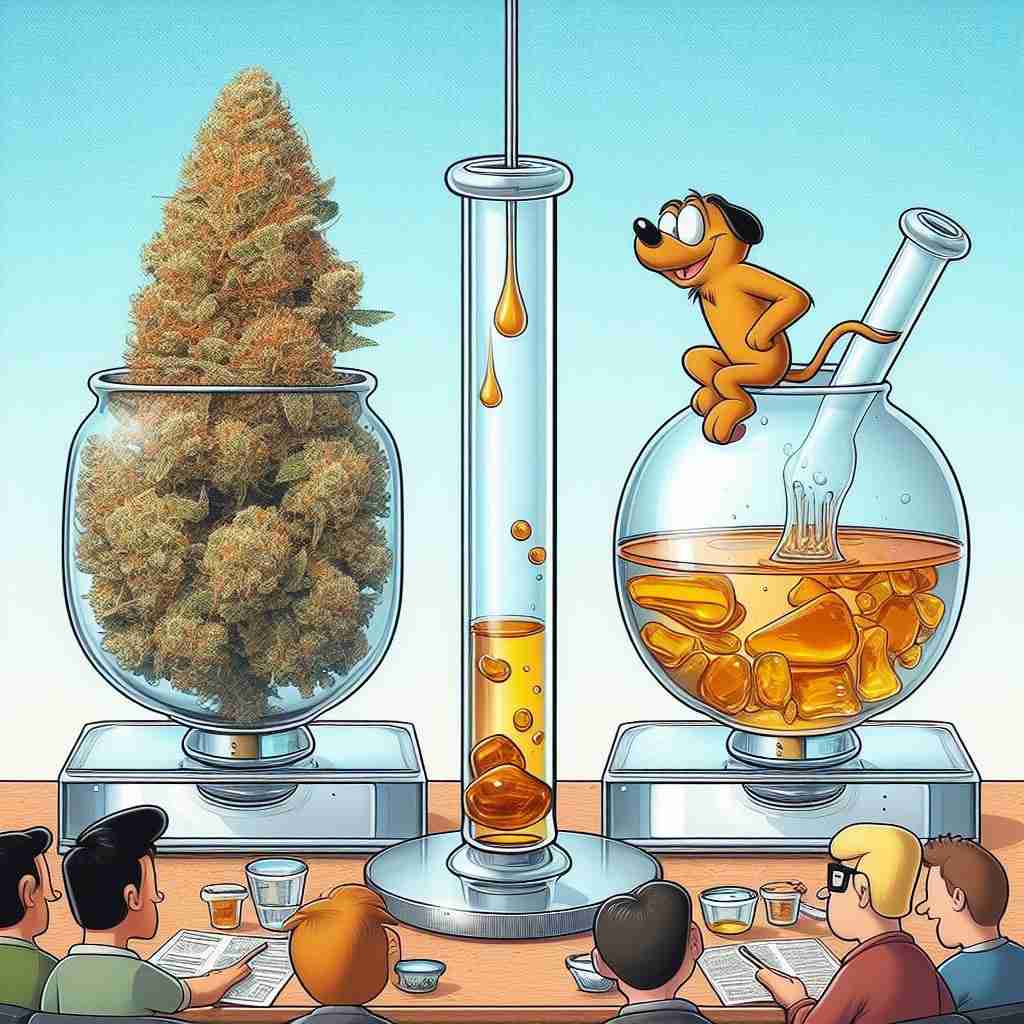
THC Flower vs Concentrates: Price Comparison
Price Comparison: THC Flower vs Concentrates
When it comes to the cost, there is a noticeable difference between THC flower vs concentrates. Here are some key points to consider:
- THC Flower: Generally, THC flower is less expensive than concentrates. This is because it undergoes fewer processing steps and requires less equipment to produce. The price of THC flower can vary depending on factors such as the strain, quality, and quantity purchased.
- Concentrates: On the other hand, concentrates tend to be more expensive compared to THC flower. This is due to the additional steps involved in their production, which require specialized equipment and techniques. Moreover, concentrates yield a higher concentration of cannabinoids per gram, making them more potent.
- Factors affecting prices: Prices for both THC flower and concentrates can also be influenced by market demand, availability, geographical location, brand reputation, and wholesale versus retail pricing.
Considering your budget and desired potency will help you make an informed choice between THC flower or concentrates when purchasing cannabis products.
Medical Benefits of THC Flower vs Concentrates: Which Form of Cannabis is Best for Certain Conditions?
When it comes to using cannabis for medical purposes, understanding which form is best suited for certain conditions can be crucial. Here are some considerations to keep in mind:
- THC Flower:
- Provides a more balanced and holistic experience due to the presence of other cannabinoids and terpenes.
- Ideal for conditions such as chronic pain, nausea, and insomnia.
- Offers a wide range of strains with varying THC levels, allowing patients to find the right balance.
- Concentrates:
- Often have higher concentrations of THC than flower.
- Well-suited for those seeking immediate relief or stronger effects.
- Recommended for severe pain management or conditions like cancer-related symptoms.
- It’s important to consult with a healthcare professional before trying either form to determine the appropriate dosage and treatment plan tailored specifically to your condition. Each individual reacts differently, so finding the right form may require some experimentation under professional guidance.
Remember that every person’s needs are unique; what works well for one condition might not be effective for another. By understanding the differences between THC flower and concentrates, individuals can make informed choices about which form may provide optimal relief based on their specific medical condition.
Cost and Availability: Comparing the Price and Accessibility of THC Flower vs Concentrates
When it comes to cost, THC flower tends to be more affordable than concentrates. This is because the process for creating concentrates requires additional equipment and labor, resulting in a higher price point. On the other hand, THC flower can be purchased at lower prices due to its simpler production process.
In terms of availability, THC flower is generally easier to find than concentrates. Most dispensaries carry a wide selection of different strains of marijuana flower, making it readily accessible for consumers. However, concentrates may not always be readily available or stocked in every dispensary since they require specialized equipment and skills for extraction.
While price and accessibility are important factors when choosing between THC flower vs concentrates, ultimately your personal preferences should guide your decision-making process. Whether you’re looking for something budget-friendly or seeking a specific type of high, considering these aspects will help you make an informed choice that aligns with your needs.
Making Informed Choices: Factors to Consider When Choosing Between THC Flower vs Concentrates
Factors to Consider When Choosing Between THC Flower and Concentrates
When deciding between THC flower and concentrates, there are several factors that should be taken into consideration.
Potency
One important factor to consider is potency. Concentrates typically have a higher concentration of THC compared to flower, meaning they can provide a stronger psychoactive effect. However, some individuals may prefer the milder effects of flower, especially those who are new to cannabis or have a lower tolerance.
Consumption Method
Another important consideration is consumption method. Flower is typically smoked in a joint or pipe, while concentrates can be vaporized or dabbed. The choice of consumption method will depend on personal preference and the desired experience. Smokers may prefer the ritualistic aspect of smoking flower, while others might opt for the convenience and efficiency of using concentrates.
Cost
Cost is also an essential factor when making this decision. Concentrates generally tend to be more expensive than flower due to their higher potency and extraction process. Those on a budget may find that purchasing a larger quantity of flower offers better value for their money.
In summary, when choosing between THC flower and concentrates, it’s important to consider factors such as potency, consumption method, and cost in order to make an informed decision that aligns with your preferences and goals.
Conclusion: Choosing the Right Option for You THC Flower vs Concentrates
Conclusion: Choosing the Right Option for You THC Flower vs Concentrates
In conclusion, when it comes to choosing between THC flower vs concentrates, it ultimately depends on your personal preferences and needs.
- THC Flower: If you enjoy the ritualistic aspect of smoking, prefer a wide variety of strains with different aromas and flavors, and appreciate the entourage effect that naturally occurs in cannabis plants, then THC flower may be the right choice for you. Additionally, if you are budget-conscious or value convenience in terms of availability at dispensaries or online retailers, THC flower is widely accessible.
- Concentrates: On the other hand, if you prioritize potency over flavor profiles and want a more potent high with fewer inhalations required compared to flower consumption methods like smoking or vaping; concentrates might be worth exploring. s These products offer higher concentrations of cannabinoids such as THC or CBD per unit weight. Concentrates also provide discreet options with minimal odor during consumption.
Ultimately, the key is to understand your own preferences when it comes to consuming cannabis products. While there may not be a one-size-fits-all answer for everyone, Closer consideration should be given will involve examining factors such as desired effects, taste profile, cost, and availability before deciding on THC Flower vs Concentrates. The best bet is to try them both carefully and compare which is the most suitable for you.