
The Ultimate Guide to Weed Wax: Unveiling the Secrets and Benefits of this Potent Concentrate
July 8th, 2024

Table of Contents
Weed wax is a highly potent and concentrated form of cannabis, and it has been gaining rapid popularity among marijuana enthusiasts. With its intense effects and versatile applications, this sticky substance is becoming the go-to choice for individuals seeking an elevated experience. In this comprehensive guide, we delve into the secrets and benefits of weed wax to provide you with everything you need to know about this powerful concentrate. Whether you’re a seasoned user or new to the world of cannabis, join us as we uncover the intricacies and advantages that weed wax brings to the table.

How Weed Wax is Made: A Step-by-Step Guide to Extraction Methods
To create weed wax, also known as cannabis concentrate, several extraction methods can be used. Here’s a step-by-step guide to the most commonly used techniques:
- Butane Hash Oil Extraction (BHO): In this method, butane gas is used to extract cannabinoids and terpenes from marijuana plant material. The process involves packing the material in a tube and pouring butane through it. The liquid butane captures the desired compounds while dissolving into it. After evaporation of the solvent, what remains is a sticky substance called BHO or “butane hash oil.”
- CO2 Extraction: This technique uses pressurized carbon dioxide (CO2) instead of solvents like butane or ethanol. CO2 acts as both a solvent and temperature control agent during the process, allowing for specific compounds to be extracted at different temperatures and pressures.
- Rosin Pressing: Utilizing heat and pressure, rosin pressing extracts resinous sap without using any solvents or chemicals. By applying consistent heat and pressure on cannabis flower or kief inside parchment paper folded over itself in between two hot plates, trichomes burst open, releasing their oils onto parchment paper.
These extraction methods are widely employed due to their ability to produce potent concentrates with high levels of THC and other desirable compounds present in marijuana.
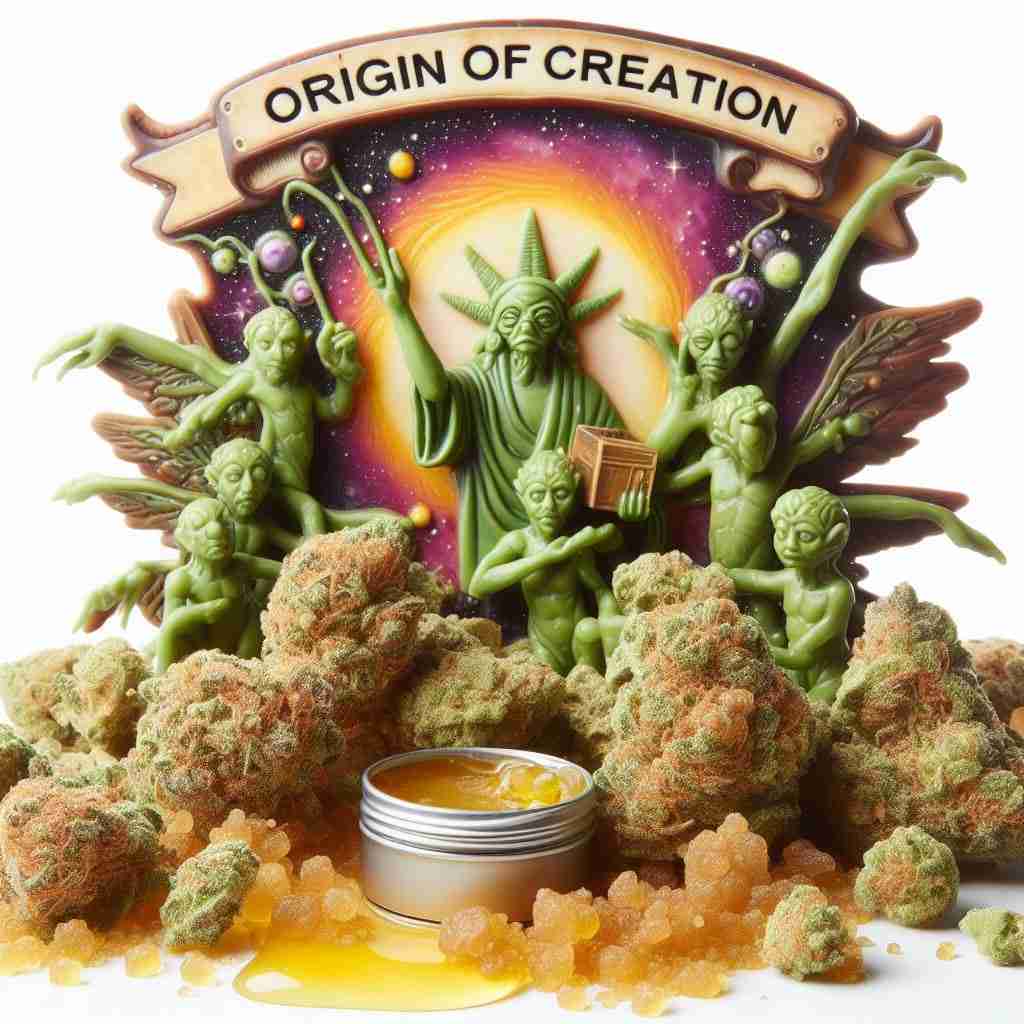
The Origins of Weed Wax: A Brief History of its Creation
- The Birth of Extraction In the early 1960s, a chemical engineer named Michael Starks invented Butane Hash Oil (BHO), laying the foundation for weed wax. By using butane as a solvent to extract THC from cannabis buds, he discovered an efficient way to create highly concentrated marijuana products.
- The Rise of Dabs It wasn’t until the late 2000s that BHO extraction gained popularity among cannabis enthusiasts. This coincided with advancements in technology and techniques, which allowed for safer and more controlled extractions. These developments revolutionized the consumption of marijuana concentrates like weed wax.
- Techniques Evolve As demand grew, so did creativity in extraction methods. Soon, people began experimenting with different solvents to produce various forms of concentrates. CO2 extraction emerged as a cleaner alternative to BHO, further expanding the options available. Today’s weed wax has evolved from these early innovations into the potent concentrate we know today
Different Types of Weed Wax: Exploring the Varieties
Budder:
- Also known as batter or cake wax, budder has a consistency similar to butter.
- It is made by whipping and drying butane hash oil (BHO) during the extraction process.
- Budder is malleable and easy to handle, making it perfect for dabbing.
Crumble:
- Crumble wax has a crumbly texture that can be easily broken into smaller pieces.
- This type of concentrate results from purging BHO at higher temperatures and longer durations.
- Due to its dry nature, crumble is ideal for sprinkling on top of joints or blunts.
Shatter:
- With its glass-like appearance, shatter is one of the purest forms of cannabis wax available.
- The high terpene content gives it its characteristic solidity and brittle consistency.
- Make sure to use caution when handling shatter as it can break easily.
Note: These descriptions should give readers an overview of some popular types of weed wax without diving too deep into technical details or overwhelming them with information.
The THC Factor: Understanding the Potency of Weed Wax
Understanding the Potency of Weed Wax
Weed wax, also known as marijuana concentrate or THC wax, is a highly potent form of cannabis extract. It contains high levels of THC, which is the psychoactive compound responsible for the “high” sensation associated with weed. The potency of weed wax can vary greatly depending on factors such as extraction methods and cannabis strain used.
Factors Affecting Potency:
- Extraction Method: The method used to extract THC from marijuana plants plays a crucial role in determining the potency of weed wax. Some common extraction methods include butane hash oil (BHO), CO2 extraction, and ethanol extraction. Each technique yields different levels of purity and concentration.
- Strain Selection: Different strains of marijuana have varying levels of THC content naturally present in them. When making weed wax, choosing a high-THC strain will result in a more potent final product.
- Purging Process: After extracting THC from the plant material, there is often some residual solvent left behind that needs to be removed through a process called purging. This step affects both the potency and safety profile of the final product.
Overall, understanding these factors can help users make informed choices about their consumption preferences based on desired potency levels while also considering personal tolerance levels and effects sought after using weed wax.
Dabbing 101: The Art of Using Weed Wax
Dabbing is a popular method for consuming weed wax, an incredibly potent concentrate. Here are a few steps to help you get started:
- Gather your supplies: To begin dabbing, you’ll need a dab rig, a torch or e-nail for heating the nail, a dab tool to handle the wax, and of course, some high-quality weed wax.
- Prepare your rig: Fill the water chamber in your dab rig with enough water to cover the percolation slits. Next, heat up the nail on your rig using either a torch or e-nail until it reaches the desired temperature (usually around 400°F).
- Take small dabs: Use your dab tool to scoop up a small amount of weed wax – less is more when it comes to this highly concentrated substance! Carefully place the oil onto the hot nail inside your rig and inhale slowly through the mouthpiece while gently rotating or moving any carb cap if necessary.
Remember to start with smaller doses and gradually find what works best for you as different waxes may have varying potencies.
Tips for Successful Dabbing:
- Keep safety in mind: Always use caution when handling open flames or heated substances.
- Start low and go slow: Due to its potency, only use small amounts of cannabis concentrates until you know how they affect you.
- Clean regularly: Regularly clean your dab rig and replace any worn-out components like nails or bangers for optimal flavor and performance.
By following these simple steps and tips listed above, beginners can master their art of using weed wax effectively without worrying about wasting their precious supply!
Vaping vs Dabbing: Which Method is Right for You?
Vaping and dabbing are two popular methods used to consume weed wax. While both involve heating the concentrate, there are some key differences to consider when deciding which method is right for you.
- Vaping: This method involves heating the weed wax at a lower temperature, typically using a vaporizer pen or device. The heated concentrate turns into vapor that can then be inhaled. Vaping provides a smoother and more discreet experience compared to dabbing. It also allows for better control over dosage as you can take smaller hits if desired.
- Dabbing: Dabbing requires the use of a specialized apparatus called a dab rig, which consists of a banger (a heated surface), torch, and glass piece. The high temperatures involved in this method produce an intense vapor that delivers strong effects quickly. Dabbing is favored by experienced users who seek potent and immediate results.
Choosing between vaping and dabbing largely depends on individual preferences and tolerance levels. If discretion, portability, and controlled dosing are important factors for you, vaping may be the preferred method. However, if you’re looking for maximum potency or have built up a higher tolerance over time, dabbing might offer the intensity you desire.
The Effects of Weed Wax: A Deep Dive into its Intense High
- Introducing the Potent Concentrate: Weed wax, also known as cannabis wax or marijuana wax, is a highly concentrated form of THC, the psychoactive compound found in cannabis. It is created through an extraction process that concentrates the plant’s cannabinoids into a sticky substance with a high THC content.
- A Powerful High: When consumed, weed wax delivers an intense and immediate high due to its high concentration of THC. Users often report experiencing potent euphoria, increased sociability, and heightened sensory perception. This concentrated form of cannabis can provide a more profound experience compared to traditional methods such as smoking dry herb.
- Caution Is Key: Due to its potency, weed wax should be used with caution. Beginners are advised to start with small doses as even experienced users may find it overwhelming. Regular consumption can lead to increased tolerance and dependency if not used responsibly. Understanding the effects of weed wax is crucial for a safe and enjoyable experience.
Overall, weed wax offers a unique and intense high that appeals to both recreational users seeking stronger effects and medical cannabis patients looking for potent symptom relief. With proper knowledge about dosage control and responsible use, individuals can enjoy the benefits without compromising their well-being.
Note from editor: Please review flow and coherence before finalizing this section
Weed Wax vs Other Cannabis Concentrates: A Comparison
When it comes to cannabis concentrates, there are several options available that offer different levels of potency and extraction methods. Weed wax, also known as marijuana wax or honey oil, is one such concentrate that stands out from the crowd.
Here’s a brief comparison of weed wax with other popular cannabis concentrates:
- Shatter: Shatter shares similarities with weed wax in terms of potency and production method—both are made using butane extraction. However, shatter has a transparent glass-like appearance while weed wax has a softer consistency with a waxy texture.
- Live Resin: Unlike other concentrates that use dried plant material, live resin is extracted from fresh cannabis plants immediately after harvesting. This process preserves more flavorful terpenes compared to weed wax, which may result in a more aromatic experience for users.
- Cannabis Oil: Cannabis oil is often used for medical purposes due to its high concentration of cannabinoids like THC and CBD. While both weed wax and cannabis oil can provide potent effects, their textures differ significantly—cannabis oil being more viscous than the waxy consistency of weed wax.
In conclusion, each type of concentrate offers its own unique qualities and effects on users. Choosing between them ultimately depends on personal preferences regarding texture, aroma, potency level desired, and intended usage (recreational or medicinal).
Tips for Choosing High-Quality Wax: What to Look For
When it comes to selecting high-quality weed wax, there are a few key factors to consider. Here’s what you should look for:
- Appearance: The color and texture of the wax can provide insights into its quality. Ideally, it should have a translucent golden hue and be slightly sticky but not overly gooey.
- Consistency: A good wax will hold its shape when handled without crumbling or becoming too liquid-like. It should maintain a uniform consistency throughout.
- Aroma: The scent of the wax can indicate whether it has been properly processed and contains desirable terpenes. Look for a strong and distinct aroma that is pleasant rather than harsh or chemical-like.
- Purity: To ensure safety and potency, opt for weed wax made from organically grown cannabis using clean extraction methods such as CO2 or solventless techniques like ice water hash.
- Lab Testing: Reliable manufacturers will provide third-party lab test results to verify the purity, potency, and absence of contaminants in their products.
Remember these guidelines when exploring your options for high-quality weed wax to enhance your cannabis experience safely and responsibly.
How to Store Wax: Best Practices for Maintaining Quality and Freshness
Best Practices for Maintaining Quality and Freshness
Proper storage is essential to ensure the longevity and quality of your weed wax. Follow these best practices to maintain its potency and freshness:
- Temperature control: Keep your wax in a cool, dark place away from direct sunlight and heat sources. Exposing it to high temperatures can lead to degradation of cannabinoids and terpenes, ultimately affecting its flavor, aroma, and potency.
- Air-tight containers: Store weed wax in air-tight containers made of glass or silicone. Avoid using plastic containers as they may interact with the concentrate over time.
- Avoid moisture: Moisture can compromise the consistency of your weed wax, making it sticky or harden unevenly. Consider using desiccant packs or silica gel packets inside the container to absorb any excess moisture.
- Handle with care: Weed wax is a delicate concentrate that can easily get contaminated by dirt, oils, or other substances on your hands or surfaces. Always handle it gently using clean tools like dabbers or silicone spatulas.
5.Maintain cleanliness: Before storing fresh batches of weed wax, make sure both the container and tool you’re using are thoroughly cleaned to prevent cross-contamination between different strains or concentrates.
By following these simple yet effective practices for storing weed wax, you’ll be able to preserve its quality so that each session delivers an exceptional experience.
The Future of Cannabis Concentrates
Increasing Popularity
Weed wax and cannabis concentrates are gaining popularity in the world of marijuana enthusiasts. These potent concentrates offer a higher THC content, making them a preferred choice for those seeking intense effects. As more people discover the benefits of weed wax, its demand continues to rise.
Technological Advancements
The future of weed wax looks promising with ongoing technological advancements. Extraction methods are constantly being refined to create high-quality concentrates with improved flavor profiles. Newer techniques such as CO2 extraction and solventless methods ensure cleaner products free from harmful residues.
Diverse Product Range
In the coming years, we can expect to see an expansion in the variety of weed wax and cannabis concentrates available. This expansion will cater to different consumer preferences, offering options like strain-specific extracts or terpene-infused concentrates for enhanced flavors and aromas.
Medical Applications
As research on marijuana progresses, there is growing evidence supporting the potential medical applications of cannabis concentrates. In the near future, we may witness increased use of weed wax in treating certain medical conditions such as chronic pain, epilepsy, or nausea associated with cancer treatments.
Overall, the future for weed wax and cannabis concentrates appears bright as their popularity rises, technology advances improve quality, diverse product ranges are developed catering to varying tastes/preferences/needs/purposes (pick one), and medical applications continue to be explored further.