
Revolutionizing the Cannabis Industry: Exploring Sustainable Practices in Eco Cannabis Cultivation
December 14th, 2023

Table of Contents
The cannabis industry is undergoing a groundbreaking revolution, sustainable practices in eco cannabis cultivation. With the increasing demand for high-quality cannabis products and growing concerns about environmental impact, companies are now focusing on innovative techniques that minimize their carbon footprint and promote eco-friendly cultivation methods. This article delves into the realm of sustainable eco cannabis cultivation, exploring how these practices are not only transforming the industry but also contributing to a greener future. From utilizing renewable energy sources to implementing organic farming techniques, we will unveil the remarkable strides being made towards establishing a more environmentally conscious approach to cannabis production.
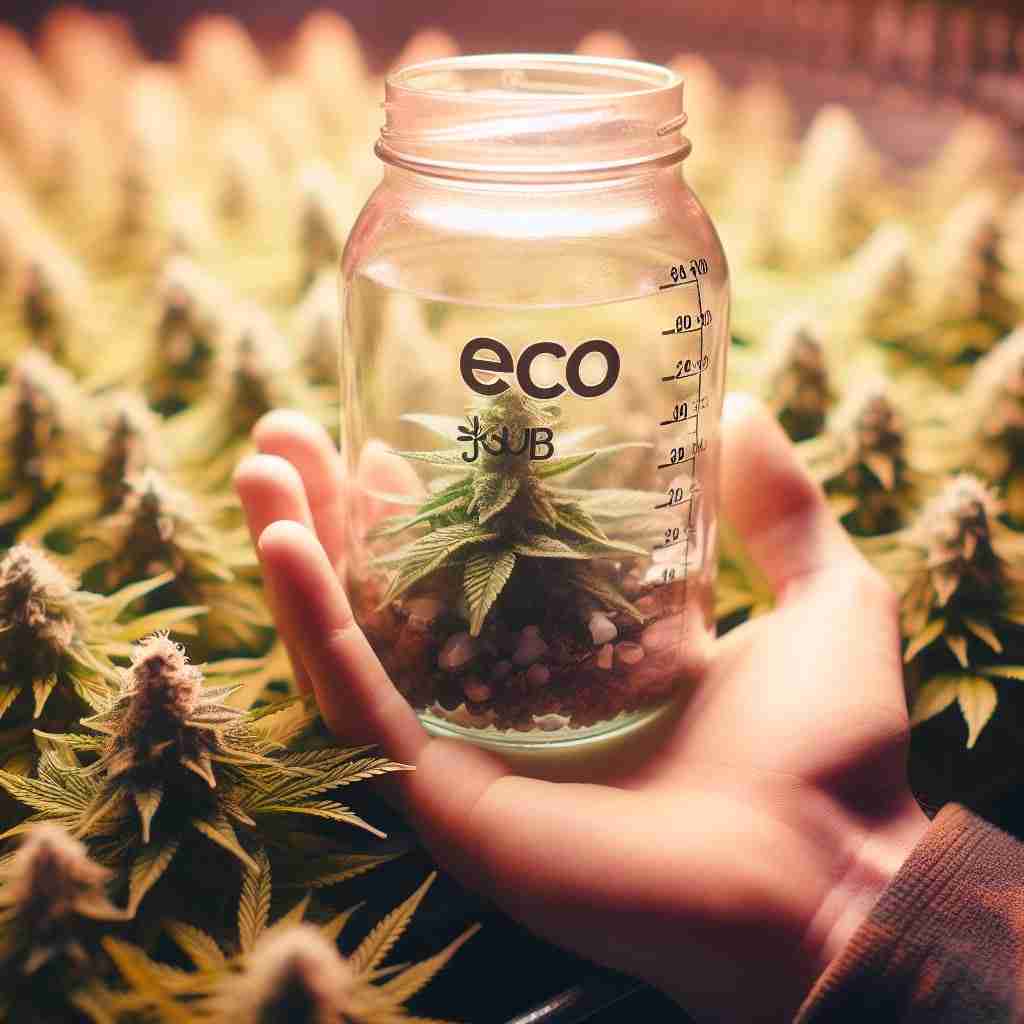
The Rise of Sustainable Eco Cannabis Cultivation
Why Sustainable Practices Matter
Sustainable eco cannabis cultivation has gained traction in recent years due to its positive environmental impact. By focusing on sustainable practices, cultivators can minimize their carbon footprint and reduce reliance on harmful chemicals. This not only benefits the planet but also produces cleaner, safer products for consumers.
Moving Towards Organic Growing Methods
Organic growing methods are a cornerstone of sustainable eco cannabis cultivation. Instead of using synthetic fertilizers or pesticides, organic cultivators rely on natural alternatives such as compost, cover crops, and beneficial insects. These methods promote soil health and biodiversity while avoiding chemical runoff into surrounding ecosystems.
Embracing Renewable Energy Sources
Another crucial aspect of sustainable eco cannabis cultivation is the adoption of renewable energy sources. Many cultivators are turning to solar power to meet their energy needs, significantly reducing greenhouse gas emissions associated with traditional electricity production. In addition to solar panels, other clean energy solutions like wind turbines and biomass boilers are also being explored within the industry.
By implementing these sustainable practices in eco cannabis cultivation operations, cultivators can play a significant role in minimizing environmental harm while creating high-quality cannabis products for consumers.

Reducing Carbon Footprint: Eco Cannabis Cultivation Techniques
Efficient Lighting Systems
- LED lights are a sustainable alternative to traditional high-pressure sodium (HPS) lights, consuming less energy and emitting less heat.
- Light-emitting diodes (LEDs) can be fine-tuned to provide the optimal spectrum of light for cannabis plants, maximizing growth while minimizing electricity usage.
Water Conservation Methods
- Implementing drip irrigation systems instead of overhead sprinklers reduces water wastage by directly supplying water at the root level.
- Collecting rainwater and utilizing it for irrigation helps conserve precious freshwater resources.
Natural Pest Control
- Integrated pest management (IPM) techniques reduce reliance on chemical pesticides, promoting natural predators like ladybugs and predatory mites that feed on cannabis pests.
- Companion planting with marigold or peppermint acts as a natural repellent for insects.
These eco-friendly cultivation techniques not only help in reducing carbon emissions but also promote sustainability within the cannabis industry. By implementing efficient lighting systems, conserving water, and encouraging natural pest control methods, cultivators can make significant strides towards creating a more environmentally friendly production process.
Understanding the Environmental Impact of Conventional Cannabis Cultivation
Conventional cannabis cultivation practices have significant environmental consequences.
- Chemical pollution: The use of synthetic fertilizers, pesticides, and herbicides in conventional growing methods leads to water and soil contamination. These pollutants harm aquatic life, damage ecosystems, and can even find their way into drinking water sources.
- Example: Synthetic fertilizers increase the nutrient levels in water bodies, causing harmful algal blooms that deplete oxygen levels and threaten marine life.
- Energy consumption: Traditional indoor cultivation facilities require massive amounts of energy for lighting, heating, ventilation, and air conditioning (HVAC) systems. This energy demand contributes to greenhouse gas emissions and exacerbates climate change.
- Example: According to research studies, a single kilogram of indoor-grown cannabis can produce approximately 4. 6 metric tons of carbon dioxide equivalents due to high-energy inputs.
- Water usage: Conventional cannabis farming typically involves excessive irrigation practices to ensure large yields. This wasteful water usage puts strain on local water supplies during periods of drought or scarcity.
- Example: Studies indicate that outdoor cannabis cultivation consumes up to six gallons of water per plant daily during peak growing seasons.
The environmental impact caused by these unsustainable practices highlights the urgent need for eco-friendly alternatives in the cannabis industry.
Harnessing Renewable Energy: Powering Eco Cannabis Production
Innovative cannabis cultivators are embracing renewable energy sources to power their eco-friendly production. This sustainable approach not only reduces environmental impact but also minimizes operating costs. Solar energy is a popular choice for powering cannabis cultivation facilities, with solar panels being installed on rooftops or open fields to harness the sun’s abundant energy. Additionally, wind power can be utilized through the installation of wind turbines in suitable locations.
By utilizing renewable energy sources like solar and wind power, cannabis cultivators can significantly reduce their carbon footprint. Not only do these methods produce clean electricity that doesn’t contribute to greenhouse gas emissions, but they also allow growers to become more self-reliant and less dependent on traditional fossil fuel-generated electricity.
Switching to renewables also offers financial benefits since it enables cultivators to take advantage of government incentives and tax credits specifically designed for renewable energy projects. These savings can then be reinvested into further enhancing sustainable cultivation practices. Ultimately, harnessing renewable energy is a win-win situation where both the environment and business owners benefit from reduced carbon emissions and lower operational costs while promoting a greener future within the cannabis industry.
Water Conservation in Eco Cannabis Cultivation: Innovative Solutions
Innovative Water Conservation Techniques for Eco Cannabis Cultivation
Water conservation is a crucial aspect of eco cannabis cultivation. By implementing innovative solutions, growers can significantly reduce water usage and contribute to sustainable practices in the industry.
- Drip irrigation systems: These automated systems deliver water directly to the base of each plant, minimizing wastage through evaporation or runoff.
- Rainwater harvesting: Collecting rainwater during wet seasons allows growers to utilize natural resources instead of relying solely on freshwater sources.
- Recycling and reusing nutrient-rich wastewater: Treating and recycling excess water from cannabis cultivation operations reduces overall consumption while also preventing contamination of local water sources.
By adopting these techniques, eco-conscious cannabis cultivators can minimize their environmental impact while optimizing crop yield. It’s imperative for the industry as a whole to embrace such innovations in order to revolutionize sustainability practices within cannabis cultivation.
Organic Pest Control: Natural Alternatives for a Healthy Crop
Cultivating cannabis using organic pest control methods is crucial for sustainable and eco-friendly practices. By avoiding chemical pesticides, growers can ensure the health of their crop while minimizing harm to the environment. Here are some natural alternatives that can revolutionize the way we address pest issues in cannabis cultivation:
- Beneficial insects: Introducing predator insects like ladybugs, lacewings, or predatory mites into the growing area can help control pests such as aphids, spider mites, and whiteflies. They act as biological controls by preying on these harmful organisms without causing any damage to the plants.
- Neem oil: Derived from neem tree seeds, neem oil is an effective organic pesticide that disrupts insect growth and acts as a repellent against various pests including thrips, caterpillars, and leafhoppers.
- Soap-based sprays: Applying soapy water solutions can suffocate soft-bodied pests like mealybugs or scale insects effectively without harming beneficial predators present in the ecosystem.
These alternative methods provide safe and efficient ways to manage common pests while striving towards sustainability in cannabis cultivation.
The Role of Technology in Sustainable Eco Cannabis Cultivation
Technology plays a crucial role in advancing sustainable practices within the cannabis cultivation industry.
Here are some ways technology is revolutionizing eco-friendly cannabis cultivation:
- Precision Irrigation: Through advanced irrigation systems, growers can monitor and control water usage more efficiently. By using sensors and automated tools, water consumption can be optimized, reducing waste while ensuring plants receive the precise amount of irrigation needed.
- Energy-Efficient Lighting: LED lighting has become a game-changer for energy conservation in indoor growing environments. These lights use significantly less electricity compared to traditional high-intensity discharge (HID) lamps, resulting in reduced energy costs and lower carbon footprints.
- Data-driven Decision Making: Technology allows cultivators to collect real-time data on various environmental factors such as temperature, humidity, CO2 levels, and nutrient content. Analyzing this information enables growers to make informed decisions about optimizing conditions for plant growth while minimizing resource consumption.
Overall, by embracing technological advancements specifically tailored for sustainable practices, the cannabis industry can enhance both productivity and environmental responsibility simultaneously.
Closed-Loop Systems: Recycling and Reusing Resources
Closed-loop systems have emerged as a sustainable solution for the cannabis industry, minimizing waste and maximizing resource efficiency. By recycling and reusing resources throughout the cultivation process, eco-conscious cultivators can significantly reduce their environmental impact.
1. Water conservation: Closed-loop systems employ advanced technologies like drip irrigation and hydroponics to optimize water usage. Through careful monitoring and reuse of runoff water, cultivators can minimize water waste while still providing plants with adequate hydration.
2. Nutrient management: Instead of disposing of nutrient-rich wastewater, closed-loop systems allow for the capture and filtration of these nutrients so they can be reused in future growing cycles. This not only reduces costs associated with purchasing new nutrients but also prevents contamination from entering local ecosystems.
Overall, closed-loop systems are revolutionizing cannabis cultivation by promoting sustainability through efficient use of natural resources such as water and nutrients. These practices not only benefit the environment but also contribute to greater profitability for eco-conscious growers in an increasingly competitive market.
Community Engagement: Social Responsibility in Eco Cannabis Cultivation
By actively engaging with the local community, eco cannabis cultivators can demonstrate their commitment to social responsibility. Involving community members in the cultivation process fosters transparency and builds trust. Cultivators can organize open houses or educational sessions to show residents how they are implementing sustainable practices and minimizing environmental impact.
Moreover, cultivators can collaborate with local organizations and municipalities to develop initiatives that benefit both the environment and the community. Partnering with conservation groups or non-profits allows cultivators to participate in restoration projects or contribute financially towards efforts focused on environmental conservation.
In addition, cultivators should prioritize hiring locally whenever possible, providing employment opportunities for individuals within the community. By sourcing talent from nearby areas, eco cannabis growers support economic growth while reducing transportation-related carbon emissions associated with commuting long distances for work.
Overcoming Challenges: Navigating the Transition to Sustainable Eco Cannabis Cultivation
Challenges in Transitioning to Sustainable Eco Cannabis Cultivation
Transitioning to sustainable eco cannabis cultivation can present several challenges. These challenges include:
- Lack of knowledge and expertise: Many cultivators may not have the necessary knowledge or experience in implementing sustainable practices. This can make it difficult for them to navigate the transition effectively.
- Cost implications: Switching to sustainable practices often requires significant financial investment upfront. This includes investing in renewable energy sources, water conservation systems, and organic fertilizers. The initial cost may deter some cultivators from adopting sustainable methods.
- Regulatory barriers: In some regions, there may be regulatory barriers that inhibit the adoption of certain sustainable practices like rainwater collection or solar power usage on a large scale.
Despite these challenges, overcoming them is crucial for ensuring a more environmentally friendly cannabis industry while also maintaining profitability for cultivators.
The Future of Eco Cannabis Cultivation: Opportunities and Breaking Ground
As the cannabis industry continues to grow, a sustainable approach to cultivation is becoming increasingly essential. By adopting eco-friendly practices, cultivators can not only reduce their environmental impact but also improve their bottom line. One opportunity for eco cannabis cultivation lies in harnessing renewable energy sources such as solar or wind power. Utilizing these clean energy options can significantly reduce carbon emissions associated with traditional electricity usage.
Another area of potential innovation in sustainable cannabis cultivation is water conservation. Implementing smart irrigation systems and using recycled water can help minimize water waste while maintaining optimal growing conditions. Additionally, new advancements in genetics offer exciting possibilities for environmentally conscious growers. Developing strains that require fewer resources or have higher yields can contribute to more efficient and sustainable cultivation practices.
Ultimately, the future of eco cannabis cultivation holds numerous opportunities for those willing to break ground and adopt sustainable practices. From utilizing renewable energy sources and implementing smart irrigation systems to utilizing genetic advancements, there are various ways cultivators can revolutionize the industry while minimizing their ecological footprint. By prioritizing sustainability, growers can play a crucial role in shaping an environmentally responsible future for the cannabis industry.
The cannabis industry is in the midst of a revolutionary transformation propelled by sustainable practices in eco cannabis cultivation. This article explores how these practices are revolutionizing the industry and contributing to a greener future. By delving into renewable energy use, organic growing methods, and innovative technologies, this exploration uncovers the strides made towards more eco-conscious cannabis production.
Sustainable practices have gained traction due to their environmental benefits, reducing the carbon footprint and producing safer, cleaner products. Organic growing methods, steering clear of synthetic chemicals and promoting soil health, have gained prominence. Renewable energy sources such as solar power and wind turbines are being harnessed to power cultivation facilities, significantly curbing greenhouse gas emissions.
Efforts to minimize the environmental impact of conventional cultivation practices are vital. These traditional methods often lead to chemical pollution, excessive energy consumption, and water wastage. In contrast, eco cannabis cultivation focuses on efficiency and sustainability, using LED lights for energy conservation, employing drip irrigation systems to save water, and embracing natural pest control methods to safeguard crops without harmful chemicals.
Technology plays a pivotal role in this transformation, aiding in precision irrigation, energy-efficient lighting, and data-driven decision-making. Closed-loop systems, recycling resources throughout the cultivation process, minimize waste and optimize resource utilization. Engaging with local communities, promoting social responsibility, and addressing challenges like cost implications and regulatory barriers are crucial steps in advancing eco cannabis cultivation.
The future of eco cannabis cultivation holds promise in harnessing renewable energy, conserving water, and embracing innovative genetics for more sustainable strains. By prioritizing sustainability, the industry can navigate challenges and create a path towards an environmentally responsible future. Revolutionizing practices, from solar-powered cultivation to genetic advancements, presents opportunities for cultivators to play a crucial role in shaping a sustainable cannabis industry.
This comprehensive exploration of sustainable eco cannabis cultivation highlights the industry’s significant shift towards environmental responsibility. Embracing renewable energy, water conservation, and technological innovations signifies a promising future for a bustling eco-conscious cannabis industry. Read our latest blog post!